Worried about leaving windows open at night? How smart sensors gave me peace of mind
You know that moment—just as you’re drifting off, your mind suddenly flashes: Did I lock the back door? Or worse, you wake up to a breeze and realize a window was left ajar all night. I used to live with that low-level anxiety, especially with kids at home. But everything changed when I started using simple door and window sensors. They didn’t just alert me—they reshaped how I experience safety in my own space. It wasn’t about turning my house into a fortress. It was about turning my mind off from worry mode. And honestly? That small shift made all the difference in how I show up as a mom, a partner, and just… me.
The Little Worry That Lurked Every Night
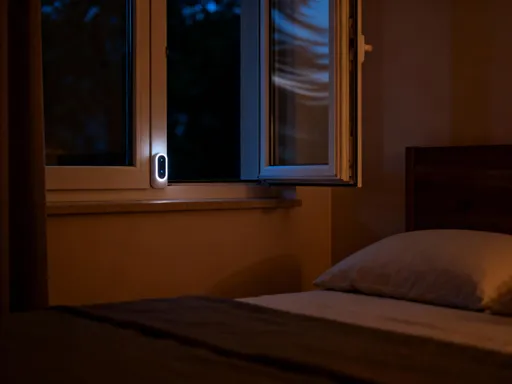
For years, my bedtime routine included a quiet walk through the house—light off in the kitchen, dishwasher closed, thermostat down. Then came the check: back door locked, front door secured, windows shut. I’d run my fingers along each latch, pressing down just to be sure. And still, as I climbed into bed, my brain would fire up again: Wait—did I check the basement window? Or, worse, I’d wake at 2 a.m. to the sound of wind tapping the curtains and realize one of the upstairs windows had been cracked open since dinner.
It wasn’t just about the window. It was about the feeling that something was out of place, that my home—the one place that’s supposed to feel like a safe harbor—wasn’t fully under my control. And that tiny uncertainty? It grew. It made it harder to fall asleep. It made me more tired in the morning. It made me snap at the kids when they left backpacks in the hallway. That’s how small stressors work—they don’t crash in like a storm. They seep in like fog, clouding everything.
What I didn’t realize then was that my body was treating those little doubts like real threats. Every time I wondered, Did I lock it?, my nervous system lit up just a little. Over time, that low hum of alertness started to feel normal. But it wasn’t. It was draining me. And I wasn’t alone. So many women I talk to—moms, caregivers, partners managing households—carry that same quiet load. We’re the ones who notice when the smoke alarm chirps. We’re the ones who remember to unplug the iron. And we’re the ones who lie awake wondering if we did enough to keep everyone safe.
Discovering a Simpler Way to Stay Aware
The idea of smart sensors came up during a casual chat with a friend who’d just installed them after a minor break-in scare. She didn’t go full security system—no cameras, no monthly fees. Just a few small, white stickers on her doors and windows. “They buzz my phone if something opens,” she said. “It’s not dramatic. But it’s changed everything.”
I’ll admit, I was skeptical at first. I pictured wires, complicated apps, tech support calls. But when I looked into it, I realized most modern sensors are designed for people like us—busy, practical, not tech experts. They’re about the size of a thumb, stick on with adhesive, and connect to your Wi-Fi through a small hub. No drilling, no electrician, no stress.
I started small—just two sensors. One on the back sliding door that my kids sometimes forget to latch. One on my bedroom window, which I like to crack open in summer but often forget to close before bed. The setup took less than ten minutes. Peel, stick, sync the app. That was it. And then I waited.
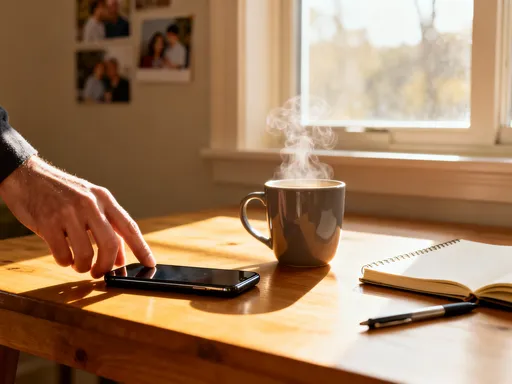
The first alert came three nights later. I was brushing my teeth when my phone buzzed. “Back door opened.” I walked downstairs—sure enough, the dog had nudged it open chasing a leaf. I closed it, reset the system, and went to bed. But something shifted that night. It wasn’t just that I knew. It was that I trusted that I’d know. The sensor wasn’t watching me. It was watching for me. And that tiny buzz? It didn’t feel like an interruption. It felt like a safety net.
How a Tiny Sensor Changed Our Family Routines
What surprised me most wasn’t the security—it was how it changed the way we talked to each other. Before, I was the “nagger.” “Did you lock the door?” “Close the window!” “Is the garage shut?” It wasn’t that my family didn’t care. They just didn’t carry the mental checklist the way I did. And I didn’t want to be the only one holding it.
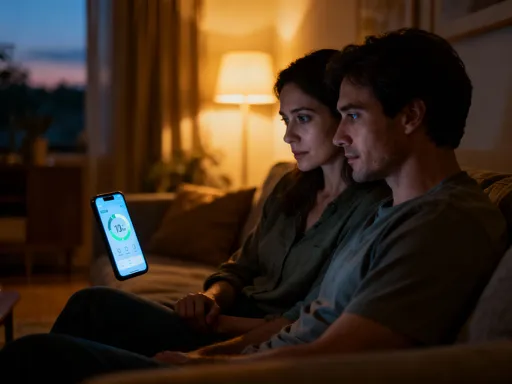
Now, when my teenager gets home from school, I get a quiet notification: “Front door opened at 3:47 PM.” No call needed. No anxiety. Just a soft ping that says, She’s home safe. And when my husband forgets to shut the kitchen window before a storm, the sensor alerts me—and I can text him: “Hey, window’s open—rain coming!” No drama. No blame. Just information.
It’s also helped my kids take more responsibility. We set up a shared family app, and now they get a little badge when they close and lock the door after practice. It sounds silly, but it works. My youngest actually checks the window now because she likes seeing the “All Secure” message pop up on her tablet. The tech didn’t replace parenting. It supported it. It gave us a shared language around safety—one that didn’t rely on my voice repeating the same reminders over and over.
And on the days when I’m running late, stressed, or just mentally exhausted, knowing the system is watching helps me let go. I don’t have to be the only one on duty. That’s a gift—not just to me, but to everyone in the house.
More Than Security: Reclaiming Mental Space
Here’s what no one tells you about home security: it’s not just about protecting your stuff. It’s about protecting your peace. Before the sensors, my brain was like a browser with 50 tabs open—most of them labeled “Did I…?” or “What if…?” That mental clutter made it harder to focus at work, harder to be present with my family, harder to just… relax.
Now, when I leave the house, I don’t circle back three times to check the locks. I don’t text my neighbor to “keep an eye out.” I don’t lie awake on vacation wondering if the basement window is open. The sensors don’t eliminate risk—they eliminate doubt. And that’s a huge difference.
It’s like giving your mind permission to rest. You stop rehearsing worst-case scenarios because you know you’ll be notified if something’s off. That mental space? I’ve started using it for better things—planning a weekend trip, reading a novel, even just breathing deeply while the kids play in the yard. I’m more patient. I laugh more. I feel lighter.
And for women who’ve spent years carrying the invisible load of household management, that shift is profound. We’re not just managing tasks—we’re reclaiming our energy. We’re choosing where to focus our attention, instead of having it pulled in ten directions by worry. The sensor isn’t a magic fix. But it’s a small tool that supports a bigger truth: you deserve to feel safe in your own home. And you don’t have to earn that safety by never stopping.
Setting It Up Without Stress
If you’re thinking about trying this, I want you to know—this isn’t about becoming a tech expert. It’s about making one small change that pays off every single day. Here’s how I did it, step by step, without any headaches.
First, I walked through my house and asked: Which doors or windows do I worry about most? For me, it was the back sliding door (easy access from the yard), the basement window (hard to see from inside), and my bedroom window (I open it for air but often forget to close it). I started with those three.
Then I picked a system. I chose one with a simple app, no monthly fee, and good reviews from real users—especially other moms. I didn’t care about fancy features. I wanted reliability. I ordered the starter kit online, and it arrived in two days.
Installation was easier than putting up a picture frame. Each sensor has two parts: one sticks to the door or window frame, the other to the moving part. When they separate—like when a window opens—the sensor detects the gap and sends a signal to the hub, which connects to your phone. I used the included adhesive strips (no tools needed), placed them as the instructions showed, and synced them to the app using my Wi-Fi.
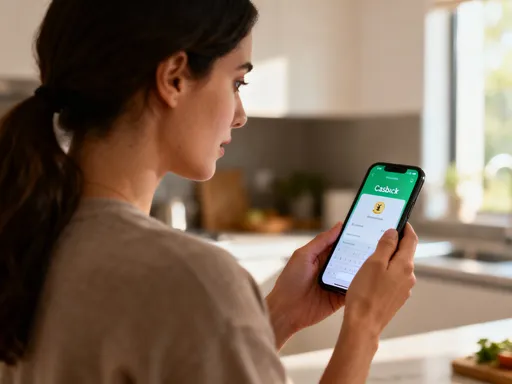
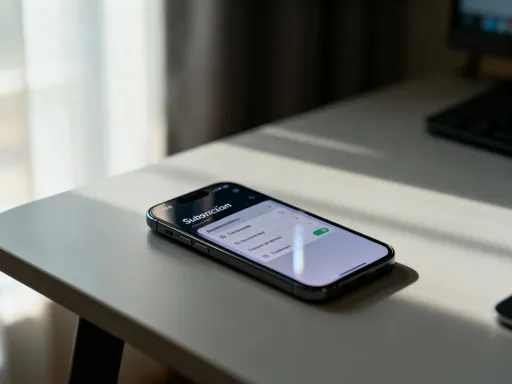
Then came the best part: testing. I opened the back door—buzz! My phone lit up with a clear message: “Back door opened.” I closed it—another notification: “Back door closed.” I did it again, just to watch it work. And honestly? It felt like a win.
Now, a few things I’ve learned: place sensors where they won’t get bumped accidentally (like by a curtain or pet). And if you’re worried about privacy, know that most systems don’t record video or audio—just open/close status. If you get a false alert, check the alignment. Sometimes a door shifts in the frame, and the sensors need a tiny adjustment. And if you travel, you can set up “away mode” so you only get alerts when you’re not home.
The whole process took me less than an hour. And now, months later, it’s just part of life—like setting the alarm or turning off the lights.
When Technology Feels Like Care
Here’s something I didn’t expect: these little sensors started to feel like they were looking out for me. Not in a creepy way. Not like Big Brother. But like a quiet friend who says, “Hey, just so you know…”
One rainy afternoon, I was at a meeting when my phone buzzed: “Kitchen window open.” I couldn’t go home, but I could text my older daughter: “Can you close the window? It’s raining.” She did, and sent a selfie with the window shut and a thumbs-up. That small moment? It made me feel connected, not anxious. I wasn’t being watched. I was being supported.
For people living alone, this can be even more meaningful. A friend of mine installed sensors after her mom moved into assisted living. Now, if her mom forgets to close her patio door, she gets an alert and can call to remind her. It’s not about control. It’s about care. It’s a way to stay connected across distance, with kindness instead of worry.
And for those of us who’ve ever felt like the “designated worrier” in the family, this tech offers something deeper: it shares the load. It says, You don’t have to hold it all. The sensor doesn’t replace love or attention. But it does give you one less thing to carry.
Living Lighter, One Sensor at a Time
I used to think peace of mind came from doing more—checking more, remembering more, staying alert. But I’ve learned it can also come from letting go. From trusting a small, simple tool to handle one piece of the puzzle so I can focus on what really matters.
These sensors didn’t turn my house into a high-tech fortress. They turned my life into something softer, calmer, more intentional. I sleep better. I worry less. I’m more present with my kids. And when I walk through my house at night now, I don’t run my fingers along the locks. I smile, knowing I’ve already got a quiet guardian on duty.
Technology doesn’t have to be flashy to be powerful. Sometimes, the most meaningful tools are the ones that help us breathe easier, think clearer, and feel safer—without asking for much in return. They don’t change everything. But they change enough.
If you’ve ever lain awake wondering if a window was left open, or texted your partner to “double-check the garage,” I want you to know: you’re not being too careful. You’re being human. And there’s no shame in using a little help to protect what matters most. Because peace of mind isn’t a luxury. It’s a foundation. And sometimes, it starts with something as small as a sensor that says, You’re safe. You can rest now.