Beyond Convenience: How Food Delivery Apps Gave Me Back My Evenings
Life moves fast, and between work, errands, and trying to stay connected with the people I care about, dinner often became my breaking point. I’d stand in front of the fridge, exhausted, knowing I should cook—but dreading the time and effort. Then I started using food delivery apps not just for emergencies, but as part of a smarter routine. It wasn’t about laziness—it was about reclaiming time. And slowly, those saved moments added up to more calm, more connection, and more of the life I actually want.
The Dinner Dilemma That Stole My Evenings
Have you ever found yourself staring into the fridge at 7 p.m., hoping something would magically appear? I have—more times than I can count. The truth is, dinner shouldn’t feel like a daily crisis. But for so many of us, it does. After a long day of managing schedules, answering emails, and keeping the household running, the last thing we want is to chop vegetables, clean pots, or debate what’s for dinner. And yet, there’s this quiet pressure—this unspoken rule—that we should be cooking healthy, homemade meals every night. It’s exhausting just thinking about it.
I used to carry guilt like an extra bag in my grocery cart. If I didn’t cook, I felt like I was failing—failing my family, my health, my sense of responsibility. But here’s the irony: the more I pushed myself to cook every night, the more I resented it. I’d end up ordering takeout anyway, but later, hungrier, and with zero joy. The cycle was real: stress → decision fatigue → last-minute order → guilt → repeat. It wasn’t just about food. It was about how drained I felt by the end of the day, and how little energy I had left for the people I love.
And I know I’m not alone. So many women I talk to—moms, professionals, caregivers—share the same story. We’re doing our best, but the weight of dinner feels heavier than it should. It’s not laziness. It’s not lack of willpower. It’s the reality of modern life. We’re juggling so much, and dinner has become the tipping point. What if we didn’t have to carry that weight every single night? What if we could let go of the guilt and find a better way?
Discovering a Better Way: Apps as Time-Saving Allies
The shift started when I stopped judging myself for using food delivery apps. I used to see them as a shortcut for lazy people or a last resort when I’d “failed” at meal planning. But then I asked myself: who decided that cooking every night is the only valid choice? Why was I holding myself to a standard that left me tired and irritable? That’s when it hit me—these apps weren’t the problem. My mindset was.
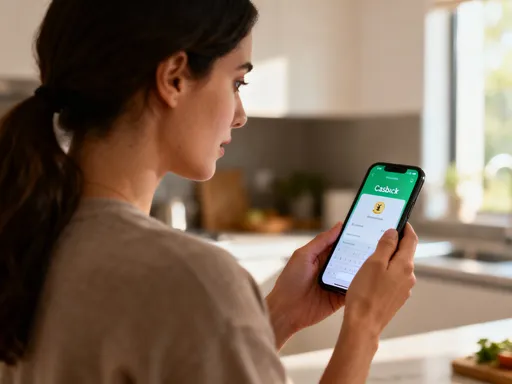
I began to see food delivery not as a cheat, but as a tool—one that could help me protect my time and energy. Instead of waiting until I was too tired to cook, I started using the app earlier in the day, when I was calm and thinking clearly. I’d place an order during my lunch break or right after work, knowing that dinner would be handled. No last-minute scramble. No standing in the kitchen while everyone else waited. Just peace.
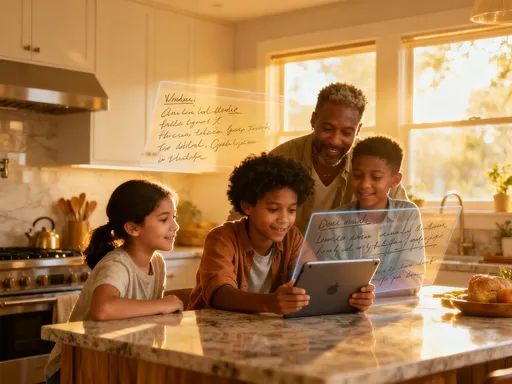
And the impact went beyond convenience. When dinner wasn’t a source of stress, I noticed I was calmer, more present, and actually enjoying my evenings. My daughter started telling me stories from her day while we ate. My husband and I had real conversations instead of snapping at each other over burnt rice. The food wasn’t the magic. The time and mental space were. By using the app with intention, I wasn’t outsourcing my responsibility—I was investing in my well-being.
It’s like having a helpful friend who shows up with dinner and says, “You’ve done enough today.” That’s not laziness. That’s self-awareness. And for the first time, I felt like I was making choices that honored both my family and myself.
Smart Ordering: Planning Ahead to Save Time Later
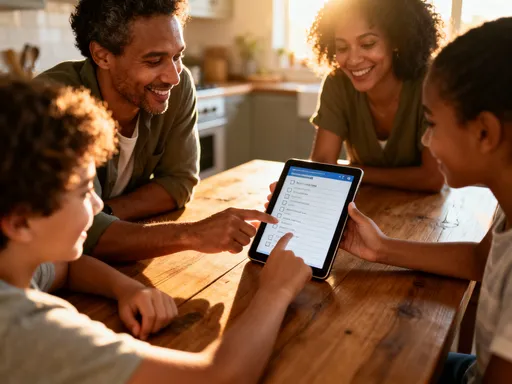
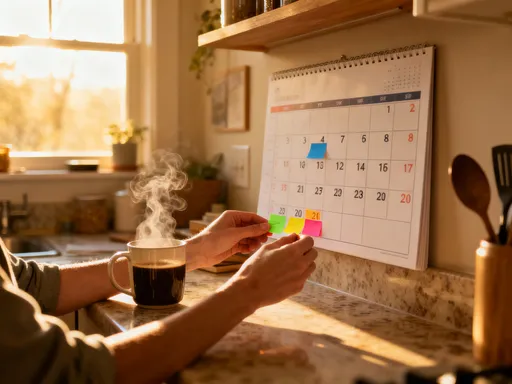
Here’s a secret: the most powerful use of food delivery apps isn’t when you’re starving and desperate. It’s when you’re calm and thinking ahead. I’ve learned that spending just ten minutes on a Sunday evening planning a few meals for the week makes a huge difference. I open the app, browse restaurants I love, and schedule deliveries for the busiest nights—Tuesdays and Thursdays, when soccer practice runs late and homework piles up.
The app remembers my favorite orders, so I don’t have to think twice. I’ve saved my go-to Thai curry with brown rice, my daughter’s favorite veggie dumplings, and even a grilled salmon bowl that feels healthy and satisfying. I’ve set my dietary preferences—low sodium, no peanuts—so every recommendation feels safe and aligned with our needs. Some apps even let me set up recurring deliveries, so on Wednesday nights, dinner arrives like clockwork. No effort. No stress. Just consistency.
This kind of planning doesn’t make me less capable. It makes me more strategic. I’m not waiting for a crisis to act. I’m designing my week so that I can show up with energy, not exhaustion. And the best part? I’ve stopped making decisions when I’m tired. Decision fatigue is real, especially for women who make hundreds of small choices every day. By deciding in advance, I’m giving my future self a gift—a little more ease, a little more grace.
Think of it like packing your bag the night before. You wouldn’t wait until 7 a.m. to figure out what to wear, right? So why wait until 6:30 p.m. to decide what to feed your family? A few minutes of calm planning saves hours of evening chaos. And over time, those small savings add up to a calmer, more joyful home.
Blending Cooking and Delivery for Maximum Efficiency
I want to be clear: I still cook. And I still love it—when I have the energy and the time. But I don’t force it. Now, I see cooking and delivery not as opposites, but as partners in a balanced routine. Some nights, I make a big pot of soup on Sunday and reheat it all week. Other nights, I roast vegetables while we wait for the main dish to arrive. It’s not all or nothing. It’s about using what works, when it works.
One of my favorite strategies is ordering just the main course and pairing it with something simple from home—like a salad, steamed broccoli, or a quick batch of quinoa. That way, we still feel like we’re eating a complete, balanced meal, but without the full kitchen effort. My kids don’t care if the chicken came from the oven or from a local bistro—they just care that it tastes good and that we’re eating together.
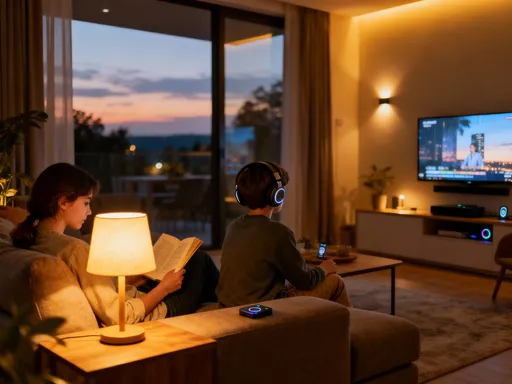
This blend has actually brought more joy to our meals. Because I’m not overwhelmed, I’m more present. I’m not rushing or stressed. I’m sitting at the table, laughing, listening, enjoying the moment. And that’s what really matters. The food is just the vehicle. The connection is the goal.
There’s also something powerful about supporting local restaurants. Many of the places I order from are family-owned, and I love knowing that my order helps keep their doors open. It feels good to be part of my community, even from my couch. And when we do cook, I feel more excited about it—because it’s a choice, not an obligation.
Saving More Than Time: The Hidden Benefits of Streamlined Nights
When I first started using delivery apps more regularly, I thought the benefit would just be time. But what I didn’t expect was how much energy I’d regain. It’s not just about not cooking. It’s about not thinking about cooking. Not debating. Not cleaning up. That mental load—the invisible work we carry—started to lighten, and the effects rippled through my whole life.
I sleep better now. I’m not lying in bed replaying the chaos of dinner or stressing about tomorrow’s meal. I have more patience during homework time. I’m quicker to smile, slower to snap. I even have the energy to read a book or call a friend after the kids go to bed. These might seem like small things, but they’re everything.
And my relationships have improved too. When I’m not running on empty, I’m more present with my family. We talk more. We laugh more. We actually enjoy our evenings instead of surviving them. One night, my daughter looked at me and said, “Mom, you seem happier lately.” That hit me right in the heart. I hadn’t realized how much my stress was affecting her. But she felt it. And now, she feels the calm too.
Even my work has benefited. With less mental clutter, I’m more focused during the day. I make better decisions. I feel more in control. It’s amazing how one change—how one small shift in routine—can create such wide-reaching effects. It’s not about the app. It’s about what the app gives back to me: space, peace, presence.
Choosing Wisely: Making Delivery Work for Your Goals
Now, let’s be honest—delivery apps can be a trap if we’re not mindful. It’s easy to scroll when we’re tired, order something unhealthy, and overspend without realizing it. I’ve been there. That’s why I’ve set up some simple rules to keep things balanced.
First, I pay attention to nutrition. I look for meals with protein, veggies, and whole grains. I avoid the deep-fried everything menu unless it’s a rare treat. Many apps now show calorie counts and allergen info, which helps me make smarter choices. I also try to support local spots that use fresh ingredients, not just the big chains.
Second, I set a budget. I don’t let delivery take over every night. For us, three times a week is manageable—more on busy weeks, less when I feel like cooking. I’ve even set up spending limits on the app so I don’t go overboard. And I never use delivery on weekends—that’s when I reconnect with cooking, try new recipes, or enjoy a family meal together.
Third, I listen to my body and my mood. If I’m craving comfort food, I allow it—sometimes that’s what we need. But if I’m just tired and scrolling mindlessly, I pause and ask: do I really want this, or do I just want to stop thinking? That small moment of awareness makes all the difference.
Mindful use means I’m in charge, not the app. It’s not about perfection. It’s about progress. And by setting gentle boundaries, I’ve made delivery a sustainable part of my life—not a crutch, but a support.
Reclaiming Life, One Meal at a Time
Looking back, I realize that my journey with food delivery apps wasn’t really about dinner. It was about redefining what it means to care for my family—and myself. I used to think being a good caregiver meant doing it all, sacrificing my energy, pushing through exhaustion. But now I see that true care means making choices that let me show up fully, not just physically present but emotionally available.
These apps didn’t make me lazy. They made me smarter. They gave me back hours I didn’t know I could have. And in those reclaimed moments, I’ve found more joy, more connection, and more of the life I want to live. I’m not just surviving the week—I’m enjoying it.
Technology isn’t the enemy of real living. When used with intention, it can be one of our greatest allies. It can free us from the grind so we can focus on what matters—our relationships, our peace, our well-being. And sometimes, the most powerful choice we can make is the one that lets us breathe.
If you’re standing in front of that fridge, feeling the weight of dinner again, I want you to know: it’s okay to press a button. It’s okay to ask for help. It’s okay to protect your energy. Because the world needs the real you—the rested, calm, joyful version—not the one running on fumes. You don’t have to do it all. You just have to do what works. And sometimes, that’s the most human choice of all.