Tired of Family Chores Falling Through the Cracks? Here’s How We Finally Stayed on the Same Page
Ever felt like your family is always out of sync? You buy milk thinking someone else did. Kids forget homework. Laundry piles up. It’s not laziness—it’s a system failure. I used to nag, repeat, and double-check everything—until we started using shared to-do lists. No fancy tech, no steep learning curve. Just a simple shift that brought calm to our chaos. This isn’t about productivity for productivity’s sake. It’s about less stress, fewer missed deadlines, and more time *actually being together*. Let me show you how we got started—and how you can too.
The Daily Chaos No One Talks About
Let’s be honest—most of us are just pretending we’ve got it all figured out. On the outside, we’re packing lunches, signing permission slips, and showing up on time. But inside? There’s a constant hum of anxiety: Did someone remember to sign the field trip form? Who’s picking up the dry cleaning? Why is there no toilet paper again? I used to carry all of it in my head, like some invisible backpack filled with sticky notes and mental alarms. And when things slipped through—like the day my son showed up to school without his science project—I blamed myself. Or worse, I snapped at my husband, convinced he’d forgotten his part.
But here’s what I’ve learned: it’s not about being a better mom or a more organized spouse. It’s about realizing that no one can reliably track everything on their own. Families are teams, and teams need systems. Without one, we’re all working in silos, guessing what others are doing, doubling up on groceries while missing crucial things like the dog’s vet appointment. The emotional toll is real—frustration, guilt, that nagging feeling you’re failing somewhere. But the good news? The fix isn’t more effort. It’s smarter coordination. And for us, that started with one simple change: a shared to-do list that everyone could see and update.
Why Paper Lists and Memory Don’t Cut It Anymore
We’ve all tried the fridge whiteboard. The colorful sticky notes. The notebook by the back door. And for a while, they work—until they don’t. The truth is, paper lists get lost, smudged, or ignored. My daughter once erased her entire chore chart by accident while wiping down the board. My husband kept missing grocery items because he’d only seen half the list. And I—well, I’d forget to check it at all on busy mornings. As for memory? It’s not designed to hold 27 different tasks across four people, especially when you’re juggling work, school runs, and dinner prep.
Think about it: how many times has someone said, “I thought you were handling that”? Or worse, “I wrote it down, but I don’t know where it went”? I lost count. We were relying on a patchwork of texts, voice notes, and mental reminders—all scattered across different devices and minds. Important things fell through because no one had a full picture. A dentist appointment got missed. A birthday gift arrived late. These weren’t failures of care; they were failures of communication. What we needed wasn’t more willpower. We needed a single source of truth—something digital, always visible, and easy to update from anywhere. Something that didn’t depend on who remembered what or who found which piece of paper.
What a Family To-Do List Really Is (And What It Isn’t)
Let’s clear up a big misconception: a shared to-do list isn’t about turning your home into a corporate office. It’s not about micromanaging your kids or policing your partner. I was skeptical at first too—did I really want to turn family life into a task-tracking dashboard? But what I’ve realized is that this isn’t about control. It’s about clarity. It’s a shared space where everyone knows what needs to happen, without needing to be told repeatedly. Think of it like a family bulletin board—but one that lives in your pocket and updates in real time.
Our list includes everything: weekly chores, grocery items, school deadlines, even fun plans like “movie night Friday” or “pack for beach weekend.” It’s not just about chores. It’s about making sure the little things—and the big ones—don’t get lost in the shuffle. And here’s the beautiful part: when everyone can see what others are doing, it builds trust. My son doesn’t feel nagged when he checks the list and sees “take out trash” assigned to him. My husband doesn’t feel criticized when he adds “bought milk” and I see it instantly. It removes the blame and replaces it with collaboration. This isn’t about perfection. It’s about peace. It’s about knowing that even when life gets loud, we’re still on the same page.
Picking the Right Tool Without the Overwhelm
I know what you’re thinking: “But there are so many apps out there. Which one do I pick?” I felt the same way. I spent hours scrolling through reviews, comparing features, and feeling overwhelmed by options. Some looked too complicated. Others required everyone to create accounts or learn new interfaces. What we needed was something simple, reliable, and easy enough for my 10-year-old and my tech-wary mother-in-law to use.
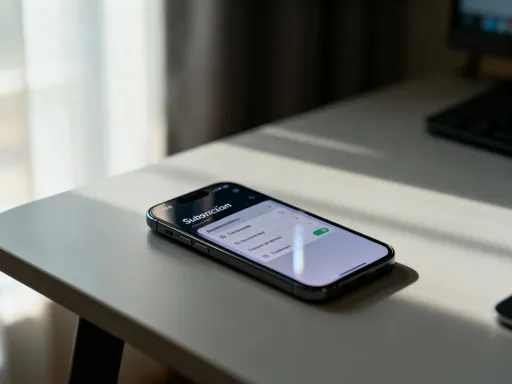
After trying a few, we landed on a popular free app with family sharing—something that lets us create multiple lists, assign tasks, set reminders, and update in real time across phones and tablets. The key wasn’t finding the “best” app by tech standards. It was finding one that worked for *our* family. Look for a few basic features: real-time syncing so everyone sees updates instantly, cross-device access so you’re not tied to one phone, and a clean, simple interface. Bonus points if it allows checkmarks, due dates, and maybe even little rewards like stickers for kids. But don’t get caught up in the details. The goal isn’t to master every feature. It’s to start. You can always adjust later. And remember: no app will fix everything overnight. It’s the habit of using it together that makes the difference.
How We Started: Our First Week Together
We didn’t dive in headfirst. We started small—just one list for household chores and groceries. One Sunday evening, we all sat together at the kitchen table, phones in hand. “Okay,” I said, “let’s try something new. No pressure. Just let’s see if this helps.” We created a list called “Home Team” and added a few things: “buy laundry detergent,” “clean bathroom,” “take dog to vet.” Then we assigned tasks. My husband took grocery runs. The kids got age-appropriate chores like setting the table and feeding the pets. I kept the bigger planning items.
The first real test came two days later. I opened the app and saw “dog food running low” with a note from my daughter. I tapped “I’ll get it” and added it to my shopping list. Later, she saw it was done and gave it a checkmark with a little dog sticker. No nagging. No confusion. Just a quiet, smooth handoff. There were hiccups, of course. My son forgot to mark “take out trash” as done, so I almost did it myself—until I checked the list and saw it was already completed. That moment taught me something important: trust the process, not your assumptions. By the end of the week, we’d added reminders for school projects, updated the grocery list from the store, and even scheduled a family game night. It wasn’t perfect, but it was progress. And for the first time in years, I didn’t feel like the family’s only memory keeper.
Making It Stick: Habits That Keep the List Alive
A tool is only useful if you use it. That’s why we built small habits around our list. Every morning, I spend two minutes checking and updating. At dinner, we do a quick “list check” to see what’s due. On Sundays, we do a family review—clearing completed tasks, adding new ones, and planning the week ahead. It’s become part of our rhythm, like brushing teeth or packing lunch boxes. And when someone forgets? We don’t scold. We gently remind: “Hey, can you update the list so we all know?”
We also celebrate the small wins. When the bathroom gets cleaned without a single reminder, we acknowledge it. When the kids remember to add something on their own, we cheer. These moments build ownership. The list isn’t my project anymore—it’s *ours*. And when life gets busy and we fall off track? We don’t give up. We restart. No guilt. No drama. Just open the app, add what’s missing, and keep going. The key is consistency, not perfection. Think of it like a garden: you don’t plant once and walk away. You tend it regularly. And over time, it grows stronger, more natural, more beautiful.
More Than Chores: How the List Brought Us Closer
Here’s what I didn’t expect: this simple tool didn’t just reduce stress. It brought us closer. I see my husband adding “plan date night” and smiling. I watch my daughter remind me about her flute lesson without being asked. I notice my son checking the list before leaving for school to make sure he has everything. These aren’t just tasks. They’re acts of care. They’re quiet ways of saying, “I’m thinking of you. I’ve got your back.”
The list became a living record of our teamwork. No more guessing who did what. No more silent resentment. Instead, there’s appreciation. I can see how much my kids contribute. My husband sees the mental load I used to carry. We’re not just sharing chores—we’re sharing responsibility, and that changes everything. We argue less. We trust more. We feel more connected, even on chaotic days. Because at its core, this isn’t about technology. It’s about togetherness. It’s about creating a home where everyone feels seen, heard, and valued. And honestly? That’s worth more than any perfectly cleaned bathroom or remembered grocery item. So if you’re tired of the chaos, the nagging, the mental overload—try this. Start small. Be patient. And let your family’s shared list become more than a tool. Let it become your family’s quiet promise to show up for each other, every single day.