More than mood lighting: How smart lights quietly track my growth
Life moves fast, and it’s easy to feel like you’re spinning your wheels. I used to forget small wins—like sticking to a morning routine or staying off screens at night. Then I realized my smart lights weren’t just setting the mood—they were reflecting my habits. The soft glow in the evening, the bright wake-up tone each morning—it wasn’t magic. It was feedback. And that subtle, daily reflection helped me see progress I couldn’t before. I started to notice patterns: when I felt energized, the lights matched it. When I was dragging, they stayed dimmer, longer. That’s when it hit me—my home wasn’t just responding to me. It was showing me who I had become, one quiet evening and gentle sunrise at a time.
The Moment I Stopped Ignoring My Light Settings
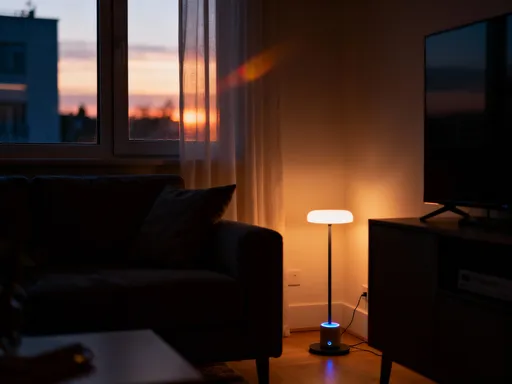
It was a rainy Thursday, the kind where the sky turns gray by four in the afternoon. I came home from a long day, dropped my bag by the door, and walked into the living room. As I flipped the switch, the light that filled the space wasn’t the cool white I usually preferred during the day—it was warm, almost golden, like late afternoon sun. I paused. I hadn’t set that. Then I remembered: I had created a scene called “Evening Calm” that automatically turned on at 5:30 p.m. every weekday. I hadn’t even noticed I’d been following it for weeks.
That small moment stayed with me. It wasn’t just about the color of the light—it was about what it revealed. I realized I had started winding down earlier, naturally syncing with that warm glow. I was reading more, scrolling less, and even lighting candles less often because the light already felt cozy. The bulb wasn’t just doing its job. It was reflecting a shift in me. That’s when I began to wonder: what else could my lights tell me? Were they quietly tracking changes I hadn’t even named yet? I started paying attention—not just to how the light made the room look, but to how it made me feel, and what it said about my days.
From then on, I stopped treating my smart lights like just another gadget. They weren’t only for ambiance or convenience. They became a mirror. And the more I looked, the more I saw—not perfection, but progress. A slightly earlier wake-up light meant I was trying to get more daylight. A dimmer setting on a stressful evening told me I was learning to slow down. These weren’t grand transformations. But they were real. And for the first time, I could see them, not just hope they were happening.
How Lighting Became My Unseen Habit Tracker
We often think of habit tracking as something we log—writing in a journal, checking boxes in an app, or counting steps on a watch. But life doesn’t always fit into neat data points. Some of the most meaningful changes happen quietly, without fanfare. That’s why I was surprised to find that my smart lights became one of my most honest trackers. Unlike an app that only records what I choose to input, my lights responded to how I actually lived. They didn’t care about my intentions—they showed me my reality.
Take weekday evenings. I noticed that my kitchen light turned on at nearly the same time every night—around 6:15. At first, I thought it was just routine. But when I looked closer, I saw it aligned with when I started making dinner. On nights I was tired or overwhelmed, the light came on later, sometimes not until 7:30. And on those same nights, I was more likely to order takeout or eat standing at the counter. The light didn’t judge, but it revealed a pattern: consistency in lighting often meant consistency in care—for myself and my family.
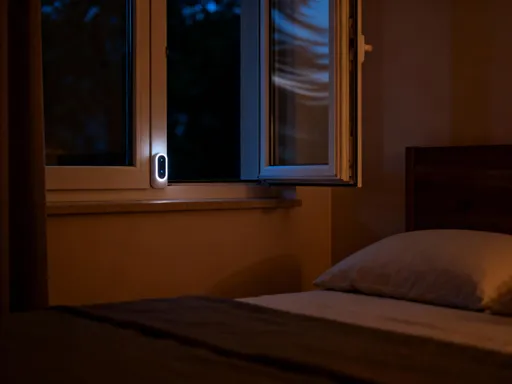
Then there was the bedroom. I had set a “Wind Down” scene to activate at 9 p.m., slowly dimming the light over 30 minutes. On nights I stuck to my routine, the dimming light felt natural, almost soothing. But on nights I stayed up late working or watching shows, I’d notice the light had already turned off—or worse, I had overridden it. That mismatch stung a little. It wasn’t guilt, exactly. It was awareness. The light had kept its promise. I hadn’t. And that small disconnect was enough to make me rethink my choices the next day.
Even my morning light became a tracker. I used a sunrise simulation that gradually brightened the room over 30 minutes. On days I got up when the light reached full brightness, I felt more alert, more in control. On days I hit snooze and pulled the covers over my head, the bright room felt harsh, even accusing. But again, that wasn’t the light’s fault. It was doing its job. The discomfort came from knowing I had let myself down. Over time, these quiet observations added up. My lights weren’t just part of my home—they were part of my growth, showing me where I was staying true to my goals and where I was drifting.
From Automation to Awareness: What My Lights Were Saying
I didn’t set out to turn my home into a personal development tool. I just wanted a few conveniences—lights that turned on when I walked in, or dimmed when I started watching a movie. But once those automations were in place, I began to see them differently. They weren’t just settings. They were signals. Each one carried an unspoken message: this is how we take care of ourselves here. This is how we start the day. This is how we slow down.
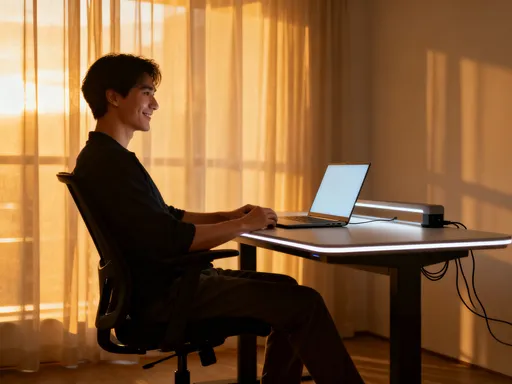
Take my “Focus Mode” scene in the home office. I set it up to use cool, bright light at 80% brightness, with the lower lights turned off to reduce distractions. At first, it was just about creating the right environment for work. But over time, I noticed something: on days I actually used “Focus Mode,” I got more done. Not because the light magically made me productive—but because activating it was a ritual. It was my way of saying, “I’m ready. This time is for work.” And when I skipped it, even if I sat at my desk, I was more likely to check email, scroll social media, or get sidetracked. The light wasn’t enforcing discipline. It was revealing whether I had brought it with me.
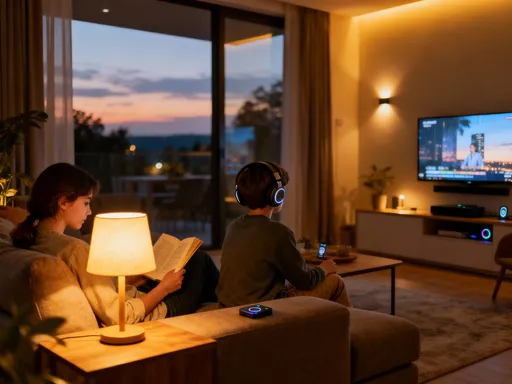
Then there was “Family Time,” a warm, soft scene I set for the living room from 6 to 8 p.m. On nights we used it, we stayed off our phones more, talked more, even played board games. On nights we didn’t—usually because someone was stressed or running late—the room stayed under harsh overhead lighting, and we scattered to our corners. The difference wasn’t just in the atmosphere. It was in how connected we felt. The light didn’t create the connection, but it highlighted when we were making space for it—and when we weren’t.
What surprised me most was how these small cues built a kind of gentle accountability. I didn’t need a coach or a checklist. I just needed to walk into a room and notice. Was the light how it was supposed to be? If not, why? That simple question opened up conversations—with myself and with my family. It wasn’t about being perfect. It was about being present. And in a world full of noise and distraction, that presence started to feel like a victory.
Syncing Light with Life Goals: A Simple System That Worked
Once I realized my lights were reflecting my habits, I decided to get intentional. Instead of just using them for convenience, I wanted to use them as tools for growth. I started by identifying a few personal goals: waking up more gently, reducing screen time at night, creating calmer family moments, and staying focused during work hours. Then, I matched each goal to a lighting routine.
For better mornings, I set a sunrise simulation to start at 6:30 a.m., gradually brightening over 30 minutes. I paired it with a soft chime on my smart speaker—just loud enough to notice, not enough to jolt me awake. The idea wasn’t to replace my alarm, but to give my body a natural cue that the day was beginning. I also set the kitchen light to turn on at the same time, so the whole house began to wake up with me. At first, I still reached for my phone. But over time, I found myself pausing, stretching, even taking a few deep breaths before getting out of bed. The light didn’t force me to change—it just made the new habit feel easier, more natural.
For evenings, I created a “Digital Sunset” routine. At 8 p.m., the living room lights shifted to warm tones and dimmed to 40%. At the same time, a notification popped up on my phone: “Time to wind down.” I didn’t always follow it, but the light change was a visual reminder I couldn’t ignore. I started leaving my phone in another room, reading instead, or talking with my kids before bed. The warm light made the space feel cozier, which made it easier to stay present. It wasn’t about cutting out screens completely—it was about creating a transition, a buffer between the busyness of the day and the quiet of night.
For focus, I used a simple voice command: “Alexa, start Focus Mode.” That one phrase turned on cool white lighting in my office, turned off distractions, and even started a timer for 50 minutes of work. Knowing the light would change back after the session helped me stay on track. And when I finished, the shift to a warmer tone felt like a reward. It was a small thing, but it gave structure to my day and a sense of completion.
The best part? None of this required advanced tech skills. I used a basic smart bulb system and a free app. I didn’t need a full smart home. I just needed one room, one routine, and the willingness to try. And because the changes were gradual, they didn’t feel overwhelming. They felt like small acts of care—ones I could see, every day, in the glow of a lamp.
Real Changes I Didn’t Expect: Better Sleep, Calmer Evenings
I went into this experiment hoping for a little more convenience. What I got was something deeper: a calmer mind, better sleep, and a greater sense of rhythm in my days. The changes didn’t happen overnight, but they were real. After about three weeks of consistent morning light, I started waking up before the full brightness kicked in. My body had adjusted. I no longer felt groggy. I even began to look forward to those quiet minutes as the room slowly lit up, like the day was greeting me with kindness.
Evenings changed too. With the warm lighting cue at 8 p.m., I found myself putting my phone down earlier. I wasn’t perfect—some nights I still scrolled longer than I wanted—but the light made it harder to ignore. It created a natural stopping point. And because the room felt more inviting, I didn’t feel like I was missing out. I started reading more, journaling, or just sitting with a cup of tea. My kids noticed. “Mom, it feels cozy in here now,” my daughter said one night as we read together under the soft glow. That moment stayed with me. It wasn’t just about light. It was about presence. And for the first time in a long while, I felt truly present.
My sleep improved too. I fell asleep faster, stayed asleep longer, and woke up feeling more rested. I didn’t think a light bulb could affect that, but research shows that warm, dim lighting in the evening helps regulate melatonin, the hormone that controls sleep. I wasn’t chasing perfect sleep—I just wanted to feel more like myself. And this small change made a big difference.
What surprised me most was the emotional shift. I felt less reactive, less frazzled. The lighting routines created a kind of rhythm, a predictability that soothed my nervous system. On stressful days, walking into a softly lit room felt like a hug. It didn’t fix everything, but it helped me reset. And that, in itself, was a win.
Making It Work for You: A Gentle, No-Pressure Approach
If you’re thinking about trying this, I want you to know: you don’t need a full smart home. You don’t need the latest gadgets or a tech background. You just need one light, one routine, and a little curiosity. Start small. Pick one part of your day that feels out of sync—maybe mornings are rushed, or evenings feel chaotic. Then, choose one lighting change that supports the feeling you want.
For example, if you want gentler mornings, try setting a single lamp in your bedroom to turn on 15 minutes before your alarm, using a warm-to-cool gradient. Pair it with a simple habit, like drinking a glass of water or taking three deep breaths. Don’t worry about getting it right every day. The goal isn’t perfection—it’s awareness. Over time, that small light will become a cue, a quiet invitation to start the day with intention.
If evenings are the challenge, try a warm, dim setting in your living room starting an hour before bed. Use it as a signal to put screens away, light a candle, or talk with your family. You don’t have to stick to it every night. But notice what happens when you do. How does it feel? What changes in your mood, your energy, your connections?
The key is to keep it simple and kind. This isn’t about adding more rules to your life. It’s about creating gentle reminders that support the person you’re trying to be. And if you forget? No problem. The light will be there tomorrow, ready to try again. That’s the beauty of it—no judgment, no pressure. Just a quiet, consistent presence, waiting to help you grow.
Light as a Mirror: Seeing Yourself Grow, One Glow at a Time
Looking back, I realize my smart lights didn’t change me. I did. But they helped me see it. They gave me feedback in the most unobtrusive way—through color, brightness, timing. They didn’t cheer for me or scold me. They just showed up, day after day, reflecting my choices, my rhythms, my growth. And in that reflection, I found something precious: proof that I was moving forward, even when I couldn’t feel it.
There’s a quiet power in having your environment mirror your intentions. It turns abstract goals into something tangible. Want to be calmer? You can see it in the warm light of your living room. Want to be more focused? You can feel it in the bright, steady glow of your workspace. These aren’t huge transformations. But they’re real. And over time, they add up.
For me, this journey wasn’t about technology. It was about attention. It was about creating small, daily moments of awareness that helped me stay connected to myself. In a world that pulls us in a hundred directions, that connection is everything. My lights didn’t give me answers. But they helped me ask better questions: Am I honoring my energy? Am I making space for what matters? Am I growing?
And the most beautiful part? You don’t need special skills or expensive gear to start. You just need to notice. To see the light not just as a tool, but as a companion. One that doesn’t push, doesn’t demand, but simply shows you who you are—and who you’re becoming. One glow at a time.