Stop saying 'I hope everything’s okay at home': How smart security gave me real peace of mind
We’ve all been there—rushing to work, only to pause and wonder: Did I lock the door? Is the stove off? Is my child safe at home? That nagging worry used to follow me daily. But one quiet evening, after a neighbor’s close call, I started exploring smart home tech not for convenience, but for true safety. What I found wasn’t flashy gadgets—it was calm, clarity, and control. This is how a smarter home didn’t just upgrade my walls, but protected the people I love most.
The Moment Everything Changed: When Worry Turned Into Action
It was a Tuesday morning, rain tapping gently against the windows, when I realized I couldn’t remember if I’d locked the back door. Again. My hands tightened on the steering wheel as I pulled out of the driveway, that familiar knot forming in my stomach. I’d already double-checked the front door, but the back—where the kids let the dog out every morning—was always the one I forgot. I turned the car around, wasting twenty minutes just to be sure. And that wasn’t the worst of it. There were the times I’d lie awake at night, wondering if I’d left the oven on. Or the day I got a call from my daughter’s school saying she was sent home sick—and I wasn’t there. Someone had to let her in. What if it hadn’t been our neighbor? What if someone else had been watching?
Then came the night my friend Sarah called, voice shaking. Someone had broken into her home while she was at her daughter’s recital. Nothing was stolen, but her bedroom window was shattered, her curtains torn. She said the hardest part wasn’t the mess—it was the feeling of violation, the loss of that safe, private space where she raised her kids. I sat on my couch that night, staring at the dark corners of my living room, and realized: I didn’t want to live like this anymore. I didn’t want fear to be the thing that decided how I lived. I wanted to protect my home not because I expected the worst, but because I valued the best—my family’s peace, their comfort, their freedom to just be. That’s when I stopped seeing smart security as something for tech lovers or the ultra-wealthy. I saw it for what it really was: a way to love my family better, even when I wasn’t home.
Beyond Locks and Keys: How Smart Security Actually Works in Real Life
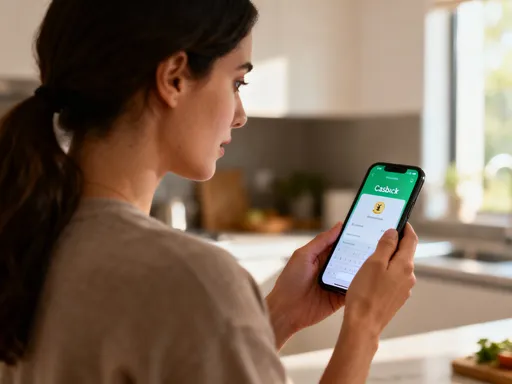
You might think smart security is all about complicated apps and blinking lights, but honestly? It’s more like having a quiet helper who’s always paying attention. Let me tell you how it actually works in a real house, with real kids, real mess, and real life. The first thing I got was a smart lock. No more juggling keys or worrying about lost copies. Now, I can unlock the door from my phone—like when my mom comes over to water the plants, and I’m stuck in a meeting. I get a notification the second the lock opens, so I know she got in safely. And if someone tries a key that isn’t programmed? I get an alert. No more guessing who’s coming and going.
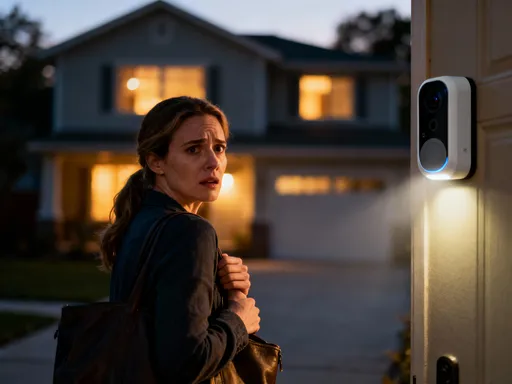
Then there’s the video doorbell. This one changed everything. I used to dread opening the door to strangers—delivery people, salespeople, even neighbors I didn’t recognize. Now, I can see and talk to anyone at my front gate from my phone, no matter where I am. One afternoon, I was at the grocery store when the school nurse rang the bell to drop off my son’s forgotten inhaler. I buzzed her in through the app, told her where to leave it, and didn’t miss a single item on my list. No running home, no stress. Just peace of mind.
Motion sensors and connected alarms were next. These aren’t loud, scary systems that go off if a leaf blows by. They’re smart enough to know the difference between my dog wandering into the kitchen and a window being forced open. If something unusual happens—like the basement door opening at 2 a.m.—I get a silent alert on my phone. I can check the camera, see it’s just my husband grabbing a glass of water, and go back to sleep. But if it’s not him? I can call the authorities right from the app. The best part? Setting it all up took less than an afternoon. No drilling, no complicated wiring. Most of it was just peeling stickers and connecting to Wi-Fi. This isn’t about being a tech expert. It’s about being a caring mom, daughter, or wife who wants to do one more thing to keep her people safe.
“Is Grandma Okay?”: Protecting Loved Ones Who Live Alone
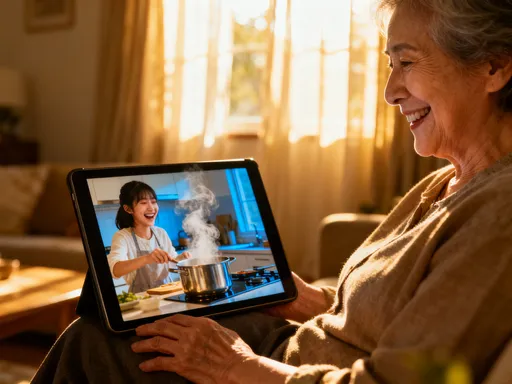
My mom lives 45 minutes away in the house where I grew up. She’s independent—proud of it—and I love that about her. But every time I hung up after our calls, I’d wonder: Is she really okay? Did she fall and not want to bother me? Did she forget to eat? Was the house too cold? I didn’t want to hover, but I couldn’t stop worrying. That’s when I learned about smart sensors designed for aging adults. We started small: motion detectors in the kitchen and living room. If there’s no movement for 12 hours, I get a gentle alert. Not because something’s wrong—but because I can call and check in. It’s not about suspicion. It’s about care.
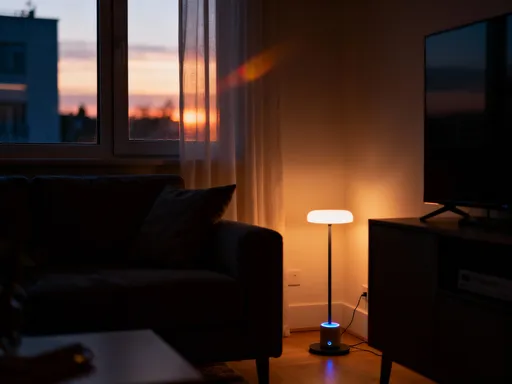
We added smart lighting, too. Lights turn on and off at the same times every evening, making it look like someone’s home—even when she’s asleep or at her book club. It’s a simple trick, but it deters break-ins and gives me comfort. One winter, the heat in her basement furnace dipped dangerously low. My phone buzzed with a temperature alert, and I was able to call the repair service before the pipes froze. That small notification saved us thousands and kept her safe from a disaster.
And then there’s the fall detection sensor—small, unobtrusive, and life-changing. It doesn’t track her every move. It only sends an alert if there’s a sudden fall and no movement afterward. She wears it like a pendant, and it gives her freedom while giving me peace. We talk more now, not less. She’ll say, “I saw your name pop up on the lock screen when you checked in—did you think I fell?” And we’ll laugh. But underneath, we both know: this little system isn’t about fear. It’s about love. It lets her live her life on her terms, while knowing someone who cares is just a notification away.
Kids, Pets, and Chaos: Keeping Track Without Hovering
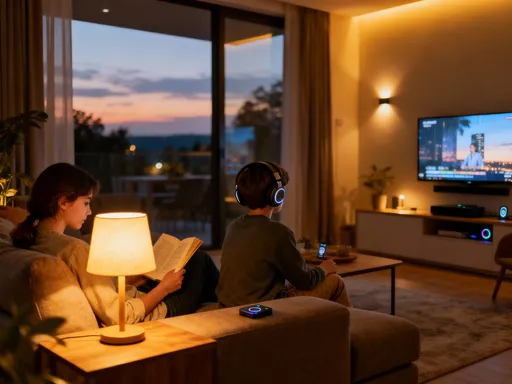
Let’s be real—my house is never quiet. Between the dog barking at the mailman, the kids arguing over snacks, and someone always leaving the fridge open, it’s a beautiful kind of chaos. But with smart tech, I don’t have to be the family’s full-time monitor. I can be present—without being paranoid. One of the first things I did was install motion alerts in key areas: the front door, the kitchen, and the back patio. Now, when my teens get home from school, I get a little chime on my phone. Not because I don’t trust them—but because I want to know they’re safe. If one of them forgets to lock up, I can send a quick text: “Hey, don’t forget the side door!” No yelling, no drama.
I also have one indoor camera in the living room—used with full transparency. The kids know it’s there, and it’s only on when we’re out. It’s helped me catch more than just the dog jumping on the couch (though, yes, I have proof). Once, I saw my youngest trying to climb onto the counter to reach the cookie jar. I called her from my office: “Sweetheart, I can see you. How about we bake cookies together when I get home?” She giggled and stepped down. It wasn’t about catching her—it was about guiding her, even from a distance.
We also set up smart door sensors on cabinets with cleaning supplies and the basement door. If my toddler opens one, I get an alert. It’s not about punishment—it’s about prevention. I’d rather know the second she’s near something dangerous than find out after an accident. And the dog? Well, he’s learned that even when no one’s home, someone’s still watching. He’s stopped stealing food from the counter—mostly. The truth is, this tech hasn’t made me more controlling. It’s made me more calm. I’m not constantly calling to check in or rushing home to double-check things. I can focus on my work, my friendships, even my own quiet time—knowing I’m still connected.
The Nighttime Anxiety No One Talks About
There’s a kind of worry that only shows up after dark. You’re in bed, the house is quiet, and suddenly you wonder: Did I really shut the garage door? What was that noise downstairs? For years, I’d get up two or three times a night, walking through the house with my phone flashlight, just to be sure. I wasn’t paranoid—I was tired. And scared of what I couldn’t see. That changed when I added smart lighting and sound sensors to my routine.
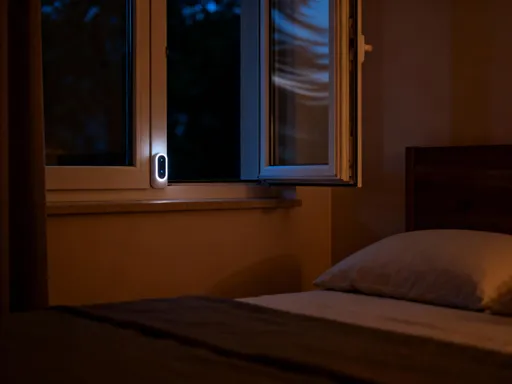
Now, if I get up for water or to check on a sick kid, motion-activated path lights gently glow along the hallway and stairs. No more fumbling in the dark, no more stubbed toes. But the real gift has been the silent alerts. If there’s unusual movement downstairs while we’re all asleep, my phone vibrates—no loud alarm, just a nudge. I can peek at the camera, see it’s the cat knocking over a plant, and go back to sleep. But if it’s not the cat? I can alert the monitoring service with one tap.
Last winter, we had a storm that knocked out the power for hours. I expected the system to fail, but it didn’t. The cameras and sensors ran on backup batteries, and my phone stayed connected through cellular data. When the lights came back on, I saw the timeline: two alerts during the night—one for a tree branch hitting the side window, another for the garage door shifting in the wind. I hadn’t known any of it was happening. And that’s the point: the system was awake so I could stay asleep. My sleep quality has improved, my stress has dropped, and I feel more in control—especially during those quiet, vulnerable hours when fear used to creep in.
What If the Power Goes Out? Addressing Real Fears About Reliability
I’ll be honest—I had doubts at first. What if the Wi-Fi goes down? What if the batteries die? What if I get a hundred false alarms and start ignoring them? These are real concerns, and they deserve real answers. The first thing I learned is that not all systems are the same. I chose one with built-in backup power—so even during outages, the core sensors and cameras keep running for hours. Some even have local storage, so footage isn’t lost if the internet drops.
False alarms used to drive me crazy. I’d get a motion alert, panic, and find out it was just the cat. But modern systems let you customize sensitivity. I set the living room sensor to ignore movements under 20 pounds—so the dog doesn’t trigger it, but a person would. I also set ‘quiet hours’ so I don’t get non-urgent alerts at night unless it’s something serious, like a door opening or glass breaking.
And here’s what no one tells you: you don’t have to do it all at once. I started with just the video doorbell. Once I trusted that, I added the smart lock. Then the motion sensors. Each step built my confidence. I recommend starting small—pick one pain point (like forgetting to lock the door) and solve that first. Let yourself get used to it. Test it. Trust it. Tech isn’t magic, and it’s not perfect. But it’s reliable enough to make a real difference. And when you choose wisely, it becomes so seamless you forget it’s even there—until you need it.
More Than Gadgets: How Safety Tech Brought Our Family Closer
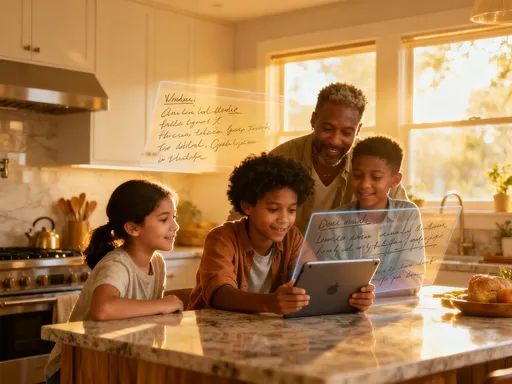
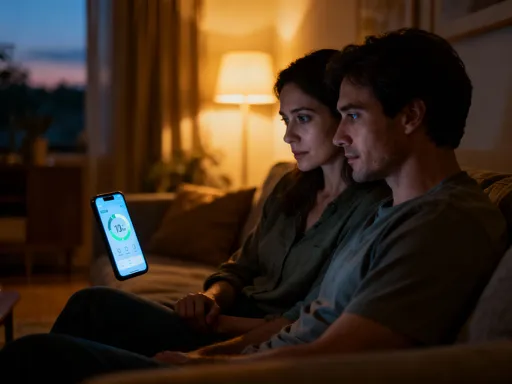
You’d think adding cameras and sensors would make our home feel colder, more monitored. But the opposite happened. We’ve become more connected. My husband and I share access to the home app, so we can both see when the kids get home. We’ve turned it into a little ritual: “Looks like Emma’s back—want to text her to start homework?” It’s not surveillance. It’s teamwork. Even the kids got involved. My son helped set up the motion lights in the basement, and now he feels proud every time they turn on automatically.
But the biggest change has been in my mind. I used to carry a mental checklist all day: Lock? Stove? Lights? Kids? That mental load was exhausting. Now, that space is freer. I can focus on cooking dinner without worrying about the front door. I can enjoy a walk with a friend without texting home to check on the dog. I can actually be present—because I’m not constantly trying to be everywhere at once.
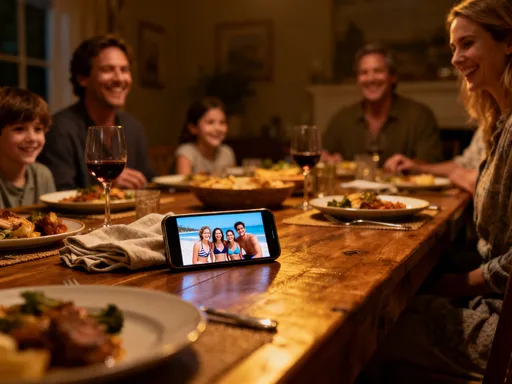
One night, as we sat around the table laughing over burnt grilled cheese, my daughter looked at me and said, “Mom, you seem less stressed lately.” I didn’t realize it until then—but I am. Not because life is easier, but because I feel more in control of what matters most. This tech didn’t come into my home because I was afraid. It came in because I love. It’s not about locking the world out. It’s about opening up space for peace, for joy, for the messy, beautiful moments that make a house a home. So I don’t say “I hope everything’s okay at home” anymore. I know it is. And that? That’s the greatest comfort of all.