More than videos: How daily family recordings quietly strengthened our connections
You know those little video clips you record—your child’s first bike ride, your parents laughing over dinner, your partner dancing in the kitchen? I used to think they were just fleeting moments, saved by chance. But when I started recording intentionally, even just a few times a week, something shifted. Our family conversations deepened. Distant relatives felt closer. The noise of daily life didn’t disappear, but we found a rhythm. This isn’t about perfect production. It’s about presence. And it changed how we relate—not just to each other, but to ourselves.
The Accidental Archive
It began without a plan. Just a phone in my hand, a moment that made me pause, and a tap on the screen. My niece blowing out birthday candles with frosting on her nose. My mom trying—and failing—to flip pancakes without spraying batter across the stove. My teenage son dramatically groaning when asked to take out the trash. At the time, I didn’t see them as anything special. Just silly little clips tucked into my camera roll, easy to forget. But then, one rainy afternoon, I pulled up a few of them to show my sister during a video call. We were laughing at my son’s exaggerated eye roll when my cousin, who rarely speaks up, quietly said, “I forgot how much Grandma used to sing while she cooked.”
That moment stopped me. It wasn’t just a video of a pancake disaster. It was Grandma humming an old hymn in the background, something I hadn’t even noticed when I filmed it. That recording held a piece of her I hadn’t realized I was missing. And it wasn’t just me. Others started saying things like, “I didn’t know Uncle Joe still danced like that,” or “I forgot how Dad always tapped his fingers when he was thinking.” These weren’t just videos. They were emotional landmarks—tiny time capsules that held not just images, but feelings, rhythms, and voices we thought we’d lost.
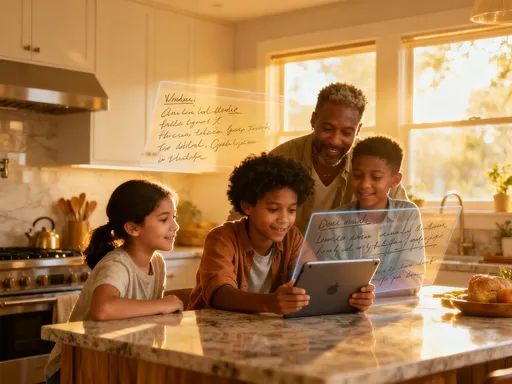
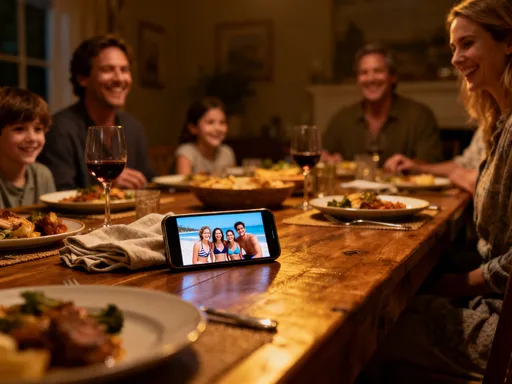
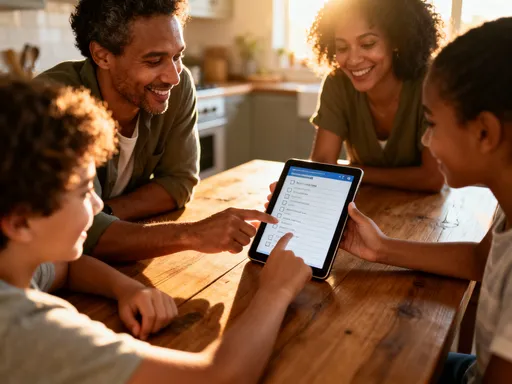
We started watching them together during holidays, not as a formal event, but as something casual—something that just happened while we waited for dinner to finish. And something beautiful followed: silence broke. People who used to sit quietly at family gatherings began to speak. The videos gave them a way in. They didn’t have to start a heavy conversation. They didn’t have to say, “I miss so-and-so.” They could just point and say, “Look, there she is,” and the memories would pour out. The recordings became a shared language. One that didn’t rely on being in the same room, or even on being good at talking. It was connection without pressure. And it reminded me that sometimes, the most powerful things we pass down aren’t heirlooms or recipes—they’re the way someone laughs, the way they stir their tea, the way they say “I love you” without words.
From Occasional Clips to Daily Rituals
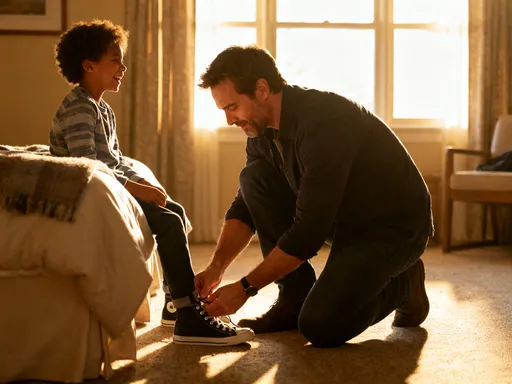
At first, I filmed only the big things—birthdays, holidays, school performances. Then, once a month felt normal. But it was when I started recording small, ordinary moments almost every day that everything changed. Not long clips. Just 30 seconds here and there. My son struggling to tie his shoes, then finally getting it and beaming at the camera. My mom watering her plants, talking softly to them like they’re old friends. The dog spinning in circles when he hears the word “walk.” I wasn’t trying to make a movie. I was just trying to pay attention.
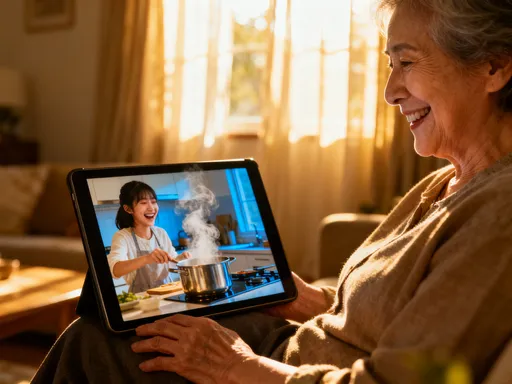
And something surprising happened. My sister, who lives overseas, told me she watches these clips before bed. “It’s like I’m there,” she said. “I hear Mom’s voice. I see the way the light falls in the kitchen in the morning. It’s not the same as being home, but it helps me feel like I’m still part of it.” That hit me. These weren’t just memories. They were lifelines. They helped her stay connected when distance made everything else feel fragile.
Frequency wasn’t about collecting more footage. It was about creating a rhythm. A daily pulse of “we’re still here, we’re still living, we’re still loving.” And that consistency did something quiet but powerful: it built trust. Not just in the recordings, but in each other. When my son knows I’m going to film him reading his favorite book, he doesn’t perform. He just does it. He trusts that I’m not judging, not waiting for something perfect. I’m just witnessing. And that trust? It spilled over into our conversations. He started sharing more. So did I. We weren’t just capturing life. We were learning how to live it more openly, more gently.
Expanding the Circle Without Saying a Word
I didn’t realize how many people in our family felt quietly disconnected until the videos started bringing them back. My uncle, who’s always been the quiet one at gatherings, began sending voice notes after watching a clip of my dad fixing the porch step. “He always whistled that tune when he worked,” he said. “Haven’t heard it in years.” Another cousin, someone I hadn’t spoken to in nearly a decade, messaged me: “I saw Dad in that clip. He used to do that exact thing when he greased the grill.”
These weren’t long messages. They didn’t come with big emotional confessions. But they were openings. And they mattered. The videos acted like quiet invitations—no pressure, no awkward “How have you been?” calls that always feel too heavy to start. Just a simple “Here’s a moment. You might recognize it.” And that was enough to reopen lines we thought were closed.
What surprised me most was how the recordings gave people permission to reconnect on their own terms. They didn’t have to call. They didn’t have to explain why they’d been away. They could just respond to a moment, and in doing so, say, “I’m still here. I still care.” And that made all the difference. I remember one evening, my teenage nephew, who usually keeps to himself, sat beside me and asked to watch old clips. We ended up laughing at a video of his younger self refusing to wear socks, stomping around the house like a tiny rebel. Later, he said, “I didn’t know we did so much fun stuff.” That moment—small, unscripted—reminded me that connection doesn’t always need words. Sometimes, it just needs to be seen.
How Technology Disappears When It Works Best
I’ll admit, I started out trying too hard. I bought a tripod. I looked up lighting tips. I even tried using a separate mic once, only to realize my son had lost interest the moment he saw the gear. That was my wake-up call. The more I tried to “produce” something, the less real it felt. The magic wasn’t in the quality of the video. It was in the authenticity of the moment.
The real shift came when I stopped treating my phone like a camera and started using it like a notebook—a tool for capturing life as it happened. No setup. No staging. Just a quick tap and a few seconds of real time. That’s when the technology disappeared. It became invisible, like the air we breathe. And that’s exactly when it worked best.
Of course, apps helped. Auto-backups meant I didn’t lose clips when my phone died. Shared albums let everyone access the videos without me having to email them individually. Facial tagging made it easy to find moments with specific people. But none of that mattered if I wasn’t emotionally present. The tools didn’t build connection. They just made it easier to keep showing up. What mattered was the intention behind the tap. Was I filming to impress? Or was I filming to remember, to honor, to say, “This mattered”?
I remember one morning, my daughter was brushing her teeth, humming a song she made up. I filmed it without thinking. Later, I watched it and realized I’d never noticed how her nose crinkles when she laughs mid-hum. That detail wasn’t something I could’ve staged. It only existed because I wasn’t trying to make a perfect video. I was just there. And that’s the truth: the best technology doesn’t draw attention to itself. It draws attention to life.
The Unexpected Ripple: Confidence, Calm, and Self-Discovery
I thought this practice was only about strengthening family bonds. I didn’t expect it to change how I saw myself. But slowly, I began to notice things. My tone when I was tired. The way I leaned in when my kids told me something important. How I smiled more when I wasn’t thinking about being filmed. Watching back wasn’t about critique. It wasn’t about fixing myself. It was about seeing myself clearly—for the first time in years.
One evening, I reviewed a clip of us making dinner together. I was chopping vegetables, slightly rushed, muttering to myself. My daughter, standing beside me, suddenly said, “You smiled more than you think.” I paused the video. Rewound. Watched again. And sure enough, there it was—a small, unconscious smile, right after she handed me the salt. I hadn’t even known I’d done it.
That tiny moment shifted something in me. I started moving through my days with more awareness. I noticed when I was rushing. I caught myself before snapping. I began to appreciate the quiet joy in ordinary things—the way sunlight hits the kitchen floor at 4 p.m., the sound of my husband’s keys in the door. The camera didn’t change me. But the practice of paying attention did. It taught me to slow down. To listen. To be present not just for my family, but for myself. And that calm, that quiet confidence, began to ripple into everything—my work, my relationships, the way I handled stress. I wasn’t just recording life. I was learning how to live it better.
Making It Sustainable: The 60-Second Rule
Here’s the truth: I don’t film everything. I can’t. Life is too full, too messy, too fast. But I’ve learned that I don’t need to. What matters is intention. And for me, that means following one simple rule: if it takes more than 60 seconds to set up, it’s not worth it. A shaky, blurry clip of my son laughing at breakfast is worth more than a perfectly lit reenactment filmed later.
I keep a shared folder in the cloud—simple, easy to access, no passwords to remember. Everyone in the family can view it. Some add their own clips. Others just watch. And that’s okay. There’s no pressure to comment. No deadlines. No expectations. The ease of participation is what keeps it going. It’s not about perfection. It’s about permission—to be ordinary, to be imperfect, to be real.
I’ve also learned to let go of guilt. If I miss a week? Fine. If I forget to film a milestone? That’s okay too. The practice isn’t about documenting every second. It’s about honoring the ones that make your heart pause. And those moments don’t come on schedule. They come when someone tells a joke that makes the whole table gasp with laughter. When your dog runs in circles for no reason. When your mom says something so perfectly “her” that you want to remember it forever.
By keeping it simple, I’ve made it sustainable. It’s not another task on my to-do list. It’s part of how I breathe now. A quiet way of saying, “I see you. I remember this. You matter.” And that’s enough.
A Legacy That Feels Alive, Not Frozen
When my dad passed away, I was grateful—not just for the photos, but for the videos. For his voice. For the way he’d clear his throat before telling a joke. For the little dance he did when his team scored. But the deeper gift wasn’t just having those memories after he was gone. It was how the practice changed us while he was still here.
We started listening more. We stayed closer. We asked more questions. Because we knew we were recording, we became more present. We didn’t wait for “someday” to say “I love you.” We said it in the middle of dinner, with the camera rolling, because we knew it mattered. And that changed everything.
These videos aren’t just for the future. They’re not just for our children or grandchildren. They’re for right now. They help us see each other clearly, even when life gets loud. They remind us that connection doesn’t require grand gestures. It just requires showing up—imperfectly, honestly, consistently.
And now, the circle keeps growing. My sister started her own recordings with her kids. My nephew filmed his first snowfall and sent it to the group. Someone always hits record. Not because they have to, but because they want to. Because they’ve felt what it’s like to be seen. To be remembered. To belong.
This isn’t about technology. It’s about love. It’s about the quiet, daily choice to say, “You matter. This moment matters.” And in a world that moves too fast, that might be the most powerful thing we can do. Not to capture perfection. But to honor presence. To build connection, one ordinary second at a time. And to know that even when we’re apart, we’re still together—because someone remembered to press record.