Tracked My Spending for 30 Days: How a Cashback App Helped Me Save $150 and Make a New Friend
Have you ever checked your phone and realized you spent $50 on coffee without even noticing? I did. That’s when I started using a cashback app not just to save money, but to understand my habits. What surprised me most wasn’t the savings—it was how it led to a real connection with someone new. This isn’t just about discounts. It’s about how tracking small choices can quietly improve your life, your wallet, and even your relationships.
The Moment I Realized I Was Blind to My Spending
I remember standing in line at a grocery store, swiping my card without thinking. The cashier handed me a receipt, and I barely glanced at it before tossing it into my bag. Later that night, though, I opened my banking app out of habit—maybe guilt—and froze. $98. That was how much I’d spent on snacks, drinks, and takeout in just one week. It wasn’t like I was living beyond my means, but something about seeing those numbers laid out felt… off. I wasn’t buying designer clothes or fancy vacations. Just little things. Coffee here, a sandwich there, an online order after a long day. But those little things were adding up, and I hadn’t even noticed.
I didn’t need another lecture about budgeting. I’d read the articles. I’d tried the spreadsheets. They always felt too rigid, too overwhelming. What I needed wasn’t more rules—it was clarity. A way to see what was really happening, without judgment. That’s when I downloaded a cashback app. Honestly, I wasn’t expecting much. I’d heard friends mention them—little rewards for shopping like normal. I figured, at the very least, I’d get a few dollars back. Maybe enough for a latte. But what started as a small experiment, almost a joke, slowly became something much more meaningful. It became a mirror. Not just for my spending, but for my daily rhythms, my moods, and the quiet ways I comforted myself without even realizing it.
How a Simple App Became My Daily Spending Journal
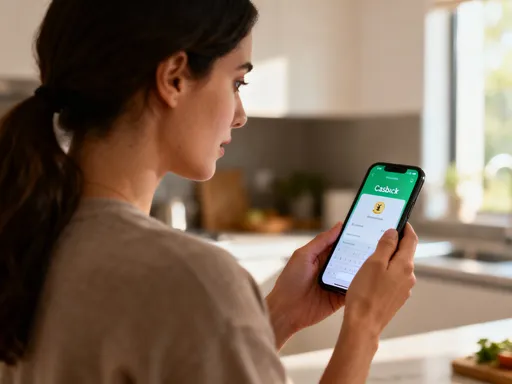
At first, I only used the app when I remembered. I’d scan a receipt after buying groceries or link my credit card for online shopping. But over time, I began to notice something interesting. The app didn’t just give me cashback—it showed me patterns. Every transaction appeared in one clean dashboard. No more scrolling through bank statements, trying to guess what that $14.99 charge was from. Now, everything was labeled, sorted, and easy to read.
What really surprised me was how much I started to notice about myself. For example, I saw that I bought coffee three times a week—every week—usually between 2:00 and 3:00 PM. That’s when my energy dipped. And every time I spent more than $75 at the grocery store, it was because I hadn’t planned meals ahead. Impulse buys? They almost always happened late at night, after scrolling through social media. The app didn’t scold me. It didn’t send me guilt-tripping notifications. It just showed me the truth, calmly and clearly.
And that made all the difference. Because once I could see it, I could change it. I didn’t have to stop buying coffee. I just started making it at home two days a week. I began meal planning on Sunday nights with my daughter, turning it into a little ritual. We’d listen to music and talk about what she wanted for school lunches. Those small shifts didn’t feel like sacrifices. They felt like choices. And that’s when my relationship with money started to shift—from anxiety to awareness.
From Points to Progress: Turning Savings into Goals
For the first few weeks, I treated the cashback rewards like pocket change. I’d cash them out for a $10 gift card to my favorite store or put it toward a streaming subscription. Fun, but not life-changing. Then one day, I looked at my total savings—$67.82 earned just from spending I was already doing. And I thought, What if I actually used this for something bigger?
So I set a goal: save $200 in three months. I didn’t change my lifestyle dramatically. I just paid a little more attention. I compared prices before buying household items. I paused before clicking “buy now” on things I didn’t need. And every time I earned cashback, I watched the number climb. The app had a progress bar—simple, visual, satisfying. It made saving feel like a game, but one with real stakes.
There was something deeply motivating about seeing that number grow. It wasn’t just about the money. It was about proving to myself that I could follow through. That I could make small, consistent choices that added up. I started cooking more meals at home, not because I had to, but because I wanted to stay on track. I found joy in finding deals, in stretching my dollar. And when I finally hit $200, I didn’t spend it on myself. I used it to buy new winter coats for my kids. That moment—knowing I’d saved that money through mindful choices—felt better than any shopping spree ever had.
The Unexpected Social Side of a Savings App
I never thought a money app could lead to a friendship. But then I saw a notification: Join a local cashback challenge this Saturday! It sounded like one of those corporate events where people hand out branded tote bags and talk too loud. But I was curious. And honestly, I needed a reason to leave the house that didn’t involve errands.
I went alone, wearing my most comfortable jeans and a soft sweater. The event was at a community center—small, warm, full of natural light. There were maybe fifteen of us, mostly women in their 30s and 40s, sipping tea and chatting. No sales pitch. Just real people sharing tips: how they used cashback for back-to-school shopping, how they canceled unused subscriptions, how they taught their teens about money.
That’s where I met Maya. She was sitting across from me, laughing about a time she accidentally bought two identical blenders because she forgot she’d already used a coupon. We started talking—first about apps, then about cooking, then about life. She’s a graphic designer, a single mom, and just like me, she’d started using the app to feel more in control. By the end of the hour, we exchanged numbers. “Let’s meet up for coffee?” she said. “But this time, let’s make it at home.”
We did. And then we started going grocery shopping together. It sounds simple, but it became something we both looked forward to. We’d walk the aisles, scanning receipts, sharing hacks, laughing about our “splurge fails.” It wasn’t just about saving money. It was about not feeling alone in the daily grind.
Learning Together: How We Tracked and Grew as a Duo
Maya and I turned our savings journey into a shared adventure. We didn’t compete—we supported. We created a small group in the app’s community feature and started a monthly challenge: who could save the most on dining out? But the rules were kind. No shaming. Just encouragement. We’d send each other screenshots of our progress, celebrate when someone hit a milestone, and offer tips when someone slipped up.
One month, I ordered takeout four nights in a row after a rough week. Instead of feeling guilty, I messaged Maya: “I need a reset.” She replied with a voice note: “Honey, we’ve all been there. Let’s meal prep together this weekend.” And we did. We made big batches of soup and froze them in portions. We even labeled them with silly names—“Stress Relief Stew,” “Monday Motivation Chili.”
What I didn’t expect was how much lighter the whole process felt with a partner. When I was doing it alone, slipping up felt like failure. But with Maya, it was just part of the journey. We learned that small changes—like buying store brands, using digital coupons, or waiting 24 hours before non-essential purchases—were easier to stick to when we talked about them. And the app made it easy to track our progress together. We could see each other’s wins, cheer each other on, and stay accountable in a way that felt kind, not harsh.
Beyond the Money: The Emotional Wins I Didn’t Expect
Saving $150 was great. But the real transformation wasn’t in my bank account—it was in my mind. I stopped dreading the end of the month. I stopped avoiding my balance. I started planning—real plans. A weekend trip with the kids. A small home upgrade. Things I’d always said “maybe next year” to.
For the first time in years, I felt like I was in the driver’s seat. Not because I had more money, but because I had more confidence. I trusted myself to make smart choices. I wasn’t perfect, but I was present. And having someone like Maya who understood that journey made all the difference. We weren’t just saving money—we were building a life where we felt more in control, more capable, more at peace.
I also noticed something else: I was calmer. Less reactive. When a surprise expense came up—a flat tire, a school fee—I didn’t panic. I checked my budget, adjusted a few things, and moved on. The app didn’t eliminate stress, but it gave me tools to manage it. And that sense of stability? It rippled into everything—my parenting, my relationships, even my sleep.
Why This Isn’t Just About Saving Money—It’s About Building a Better Life
Looking back, that cashback app did so much more than give me a few dollars back. It helped me see myself more clearly. It taught me that small, consistent actions—like scanning a receipt or pausing before a purchase—can add up to real change. It showed me that technology doesn’t have to be complicated to be powerful. Sometimes, the most helpful tools are the quiet ones—the ones that don’t shout for attention but simply help you see, learn, and grow.
And if you’re lucky, they might even connect you with someone who walks beside you. Maya and I still meet every week. We don’t always talk about money. Sometimes it’s about our kids, our dreams, our worries. But we both know that we wouldn’t have met if I hadn’t decided to track my spending that month. That little app didn’t just help me save $150. It gave me clarity, confidence, and a friendship I deeply cherish.
So if you’ve ever felt out of sync with your spending, if you’ve ever looked at your bank statement and thought, Where did it all go?—I get it. And I’ll tell you this: start small. Download an app, scan one receipt, just to see. You might be surprised by what you discover—not just about your money, but about yourself. And who knows? That simple step might lead you to more than savings. It might lead you to a moment, a conversation, a connection that changes everything.