From Tension to Teamwork: How Smart Energy Tech Brought Us Closer
Living paycheck to paycheck, my partner and I used to argue about every electricity bill. We’d point fingers, stress over spikes, and feel helpless. Then we tried smart energy management—not just to save money, but to stop fighting. What changed wasn’t just our meter readings; it was how we communicated, made decisions, and supported each other. This is the story of how technology quietly transformed our home—and our relationship. It wasn’t about becoming tech experts or chasing perfection. It was about finding peace in the everyday, learning to see each other’s efforts, and building a life where small choices added up to something meaningful. And honestly? It started with something as ordinary as a light switch.
The Bill That Started the Fight
It arrived like clockwork—every month, the same envelope, but this one felt heavier. The number on the electricity bill made my stomach drop. $230. That wasn’t just high; it was impossible. We had been careful, hadn’t we? Or at least, I thought we had. I remember standing in the kitchen, holding the paper like it was evidence in a case I didn’t sign up for. My partner walked in, saw my face, and braced. "What now?" he asked. And just like that, the tension sparked. "You left the AC running all day again," I said, trying to keep my voice level. "I didn’t!" he shot back. "I turned it down before I left." We went back and forth, each of us listing the other’s supposed oversights—the lights left on, the oven forgotten, the dryer running twice in one day. But really, we weren’t just fighting about electricity. We were fighting about fairness. About being seen. About the invisible labor that builds up when no one’s keeping track.
That bill wasn’t just a number—it was a mirror. It reflected how disconnected we’d become. We both wanted the same things: a comfortable home, financial stability, peace of mind. But without clear information, we defaulted to blame. Every spike in usage became a personal accusation. And the worst part? We were both trying. I’d walk through the house at night, switching off lights. He’d adjust the thermostat without saying anything. But our efforts were silent, invisible, and therefore, unacknowledged. Over time, that silence wore us down. We stopped talking about energy altogether, which only made things worse. The mystery of the high bill lingered, feeding suspicion. It wasn’t just about money—it was about trust. And slowly, without realizing it, we were eroding one of the most important parts of our relationship.
Discovering a Smarter Way Home
The change started with a casual comment from a friend. We were having coffee, and I mentioned the latest bill. She didn’t offer sympathy—she asked, "Have you seen how your energy use changes by time of day?" I stared at her. "What do you mean?" She pulled out her phone and showed me an app with colorful graphs. "This is my house,” she said. "See this spike? That’s when I run the dishwasher. And this dip? Lights out." I was stunned. I had no idea you could track energy like that. She explained she used a small smart monitor connected to her electrical panel. It wasn’t expensive, she said, and installation took less than an hour. "It doesn’t tell you what to do," she added. "It just shows you what’s happening. And once you see it, you start making better choices—without the guilt or the fights."
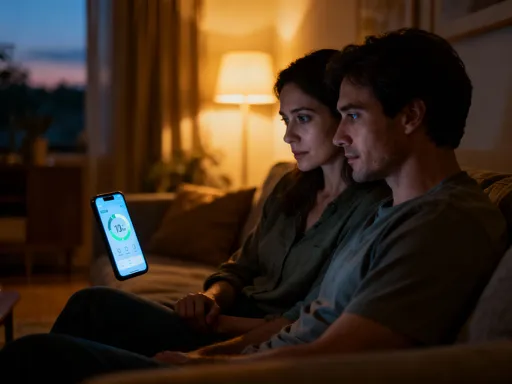
That night, I mentioned it to my partner. He was skeptical. "Sounds like more tech we don’t need," he said. But I could tell he was curious. We looked into it together. No confusing jargon, no complicated setup—just a device that clipped onto our circuit breaker box and synced with an app. We chose one that didn’t require an electrician. The next weekend, my partner installed it in about twenty minutes. I watched as he carefully followed the instructions, double-checking connections. There was something hopeful about that moment—the two of us focused on a shared project, not a problem to assign blame for. When the app finally connected, we both leaned in. There it was: a real-time graph of our home’s energy use. It wasn’t judgmental. It wasn’t angry. It was just… true. And for the first time, we weren’t guessing. We were seeing.
From Blame to Shared Awareness
What surprised us most wasn’t the numbers—it was how quickly the arguments stopped. Without data, every energy spike was a mystery wrapped in suspicion. But now, when the usage jumped, we didn’t point fingers. We opened the app. "Look," I said one evening, “there’s a big spike at 3 PM. What was on then?" We scrolled through the timeline. It turned out the water heater had kicked in after a long shower, and the fridge had just cycled on after the door was opened a few times. Nothing dramatic. Nothing personal. Just appliances doing what they do. But seeing it together changed everything. Instead of saying, "You used too much," we started saying, "Let’s figure this out."
One night, we noticed a steady draw even after everything was turned off. "That’s phantom load," the app explained—energy used by devices even when they’re off. Things like the coffee maker, the TV, the charger block. We hadn’t realized how much those little vampires were costing us. So we moved together through the house, unplugging what we could. The next day, the baseline was lower. We high-fived. It wasn’t a huge win, but it felt like one. Because it was ours. Shared. Visible. Real. The technology didn’t make us perfect. But it gave us a common language. We stopped assuming and started observing. And in that space, empathy grew. I realized he wasn’t ignoring the lights—he just didn’t notice them the way I did. And he saw that I wasn’t being controlling; I was just anxious about the bill. We weren’t opposites. We were just different. And now, we had a tool that helped us meet in the middle.
Building New Routines—Together
With awareness came action—but this time, it wasn’t about rules or restrictions. It was about teamwork. We started small. We set schedules for the washing machine and dishwasher, running them during off-peak hours when rates were lower. The app showed us the difference in cost, and honestly, it felt kind of satisfying to outsmart the system. We got smart plugs for the entertainment center and the home office, so we could cut power remotely with a tap on our phones. No more walking room to room before bed—just a quick swipe, and everything was off.
One of the sweetest changes? We started cooking together more. Not because we had to, but because we wanted to. The app showed how much energy the oven used, so we began planning meals that could be cooked in batches. Sunday became "prep day"—we’d roast vegetables, cook grains, and grill proteins together, laughing over spices and sampling bites. We weren’t just saving energy; we were making memories. And when the bill came the next month, it was $180. Not perfect, but better. We celebrated with a homemade dinner—no takeout, no guilt, just us and a lower number we both earned.
Then came the playful challenge. I joked, "Let’s see who can reduce their room’s energy use more this week." He took the bait. We set a start date, agreed on the rules, and monitored our progress. I swapped my old lamp for an LED. He unplugged his gaming console and used a power strip. We checked the app daily, teasing each other about small wins. At the end of the week, it was a tie. But the real prize wasn’t the savings—it was the laughter, the shared focus, the feeling of being on the same team. Conservation stopped being a chore and started feeling like a game we both wanted to win.
More Than Savings: Time, Trust, and Calm
The money helped, of course. Cutting $50 a month added up. But the real benefits were quieter, deeper. We had more time—not just because we weren’t arguing, but because we weren’t constantly worrying. The anxiety that used to hover around bill season lifted. We stopped dreading that envelope. Instead, we looked forward to seeing our progress. And with less stress, we had more space for each other. We started going for walks after dinner. We talked about things that had nothing to do with money or chores. We reconnected.
Trust grew, too. When one of us made a choice—like leaving the heater on a little longer on a cold morning—we didn’t assume the worst. We asked, "Need extra warmth?" instead of "Why are you wasting energy?" That small shift in language made a big difference. We began to see each other not as problems to fix, but as partners navigating life together. The home felt different—calmer, more intentional. We weren’t just living in a house; we were caring for a home. And the smart energy system? It wasn’t a gadget. It was a quiet witness to our growth. It didn’t judge. It didn’t nag. It just showed us what was happening—and in doing so, helped us choose what kind of life we wanted to build.
Making It Work for Any Couple
I know not every home is the same. Some of us rent. Some have older wiring. Some can’t afford a full smart system right away. That’s okay. The beauty of this journey isn’t in having the most advanced setup—it’s in starting where you are. You don’t need to monitor every outlet to make a difference. Begin with one smart plug. Plug in your coffee maker or your TV. See how much it uses on standby. That small awareness can spark a conversation. And sometimes, that’s enough.
Many apps offer free versions with basic tracking. You can see daily totals, set alerts, and compare weeks. Use those tools. Talk about what you discover. Ask each other, "What matters most to you about how we use energy?" Is it saving money? Reducing waste? Feeling more in control? There’s no right answer. What matters is that you’re asking. If you own your home, a full monitor might be worth it. If not, focus on portable solutions—smart plugs, timers, efficient bulbs. The goal isn’t perfection. It’s progress. It’s about creating a rhythm that works for both of you, where technology supports your values instead of dictating them.
And remember: this isn’t about surveillance. It’s about visibility. It’s not about catching each other in mistakes. It’s about understanding patterns, making informed choices, and growing together. If you’re nervous about bringing it up, try saying, "I saw something that might help us save a little and argue less. Want to check it out?" Keep it light. Keep it kind. The goal isn’t to fix your partner—it’s to strengthen your partnership. And you don’t have to do it all at once. Start small. Celebrate the wins. Learn from the setbacks. Let the tech be the helper, not the hero.
A Home That Reflects Us
Looking back, I realize the smart energy system didn’t change our house. It helped us change ourselves. It gave us a way to see not just our energy use, but each other. It taught us that conflict often comes from misunderstanding—and that clarity can be a form of care. When we stopped guessing and started seeing, we stopped fighting and started building. Our home became more than a place we lived. It became a reflection of our choices, our values, our love.
Technology doesn’t replace conversation. But it can create the space for better ones. It can turn silent frustrations into shared discoveries. It can transform a monthly bill from a source of tension into a scoreboard of teamwork. And sometimes, the most powerful tools aren’t the ones that do everything for us—but the ones that help us do things together.
Today, when the app shows a spike, we don’t flinch. We get curious. "What’s happening there?" we ask. And then we figure it out—side by side. Because that’s what home is. Not perfection. Not silence. But the quiet certainty that no matter what shows up, we’re facing it together. And that? That’s worth more than any savings. That’s the kind of richness no meter can measure—but every heart can feel.