Tired of cluttered apps stealing your time and money? Here’s how I reclaimed my space and sanity
We’ve all been there—scrolling through our phones, only to realize we’re paying for three meditation apps, two photo editors, and a fitness tracker we haven’t touched in months. It’s not just about the money; it’s the mental clutter that weighs on us. I felt overwhelmed too, until I discovered a simple habit: continuously reviewing my digital subscriptions. This small shift didn’t just save me cash—it cleared my screen, calmed my mind, and gave me back control over my personal space. What started as a quick cleanup turned into a weekly ritual that reshaped how I relate to technology. And honestly? It’s one of the most empowering things I’ve done for myself in years.
The Hidden Cost of Digital Clutter
Imagine this: you’re sitting at the kitchen table, coffee in hand, finally ready to catch up on your budget. You open your bank statement and freeze. “Hold on… am I paying $12.99 every month for a yoga app I haven’t opened since last spring?” Your heart sinks. Then you remember the meal-planning service, the language-learning trial that never ended, and the cloud storage upgrade you thought was temporary. These aren’t huge charges on their own, but together, they add up—quietly, steadily, invisibly. And it’s not just your wallet that’s paying the price.
There’s a deeper cost, one that doesn’t show up on your bill: the emotional weight of digital clutter. Think about how your phone feels when it’s full of apps you don’t use. The home screen becomes a maze. The notification bar is a constant hum of reminders you didn’t ask for. You open one app to edit a photo, then get distracted by another, then another, until you’ve lost track of why you picked up your phone in the first place. That mental fog? That’s not just fatigue. That’s digital overload.
I used to think more tools meant more control. I downloaded apps to organize my calendar, track my water intake, plan meals, journal, meditate, and even remember to breathe. But instead of feeling in charge, I felt scattered. The irony wasn’t lost on me—tools meant to simplify my life were actually making it more complicated. I wasn’t using them; I was managing them. And the guilt of paying for something I wasn’t using? That added a quiet layer of stress I didn’t even realize was there until it was gone.
It’s like having a closet full of clothes you never wear. You know they’re in there. You see the bulge behind the door. But you keep telling yourself, “Maybe I’ll wear that someday.” Digital subscriptions are the same. We hold onto them because we think we “might need” them, or because we once believed they’d transform our lives. But the truth is, unused apps don’t empower us—they drain us. They take up space, attention, and emotional bandwidth. And the longer we ignore them, the heavier they feel.
Why One-Time Cleanup Isn’t Enough
So, you finally snap. You spend a Saturday morning deleting apps, canceling subscriptions, and clearing your phone like it’s spring cleaning. You feel amazing—light, free, in control. But fast-forward three months, and here you are again: new trials, new promises, new forgotten charges. Why does this keep happening?
Because digital clutter isn’t a one-time mess. It’s a recurring habit. We live in a world designed to make signing up easy and canceling hard. Free trials are everywhere—seven days of premium features, no credit card required! But then, somehow, a credit card *is* required, and the trial turns into a subscription before you even notice. Or you download an app to edit a single photo for your child’s school project, and suddenly you’re on a monthly plan for advanced filters you’ll never use again.
The problem isn’t laziness. It’s design. Tech companies know that once you’re in, you’re likely to stay—even if you’re not getting value. They count on our busy lives, our divided attention, our tendency to say “Yeah, I’ll deal with that later.” And later never comes. I did this myself. I signed up for a family photo storage app during a vacation. “It’ll be useful,” I told myself. Six months later, I realized I hadn’t uploaded a single photo. But I *had* paid six months’ worth of fees.
What I learned is that a single cleanup is like sweeping the floor without fixing the leaky ceiling. It helps for a moment, but the mess comes back. The real solution isn’t a grand gesture—it’s a quiet, consistent practice. Just like we brush our teeth daily to prevent cavities, we need to review our digital subscriptions regularly to prevent clutter from building up. It’s not about being perfect. It’s about staying aware. Because the moment we stop paying attention, the apps start making decisions for us.
How Subscription Management Tools Work—Without the Jargon
Now, I know what you might be thinking: “Do I really need another app to manage my apps?” It sounds ironic, I get it. But some tools are different. They’re not about adding more—they’re about helping you use less, with less effort. Think of them as a personal assistant for your digital life, one that doesn’t charge you and actually shows up on time.
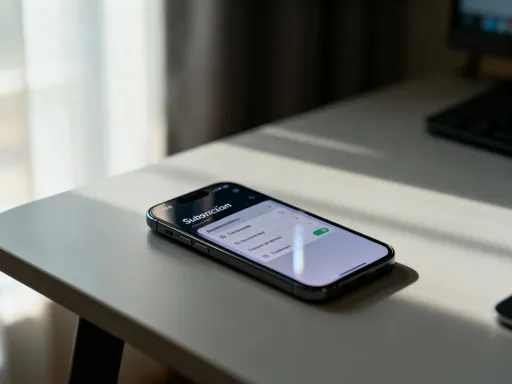
These tools—available through your phone’s settings or as standalone apps—connect securely to your payment methods and automatically track every subscription you’ve ever signed up for. They don’t just list them; they remind you when a free trial is about to end, alert you when you haven’t used a service in weeks, and even help you cancel with just a few taps. No more digging through email receipts or playing hide-and-seek with cancellation buttons.
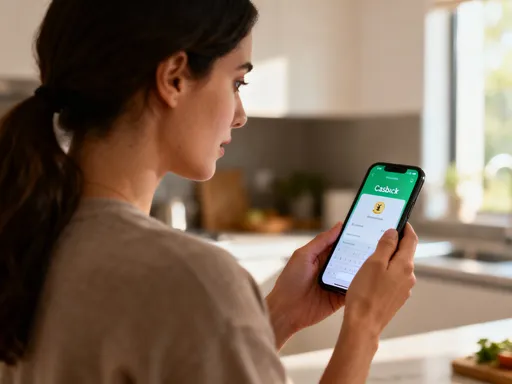
I started using one after my big cleanup, mostly out of guilt. I didn’t want to repeat my mistakes. At first, I was skeptical. Would it really work? Would it be complicated? But within a week, it had found three subscriptions I didn’t even remember signing up for—one was a parenting magazine app I used once during a sleepless night with my youngest. Another was a premium podcast player I thought I’d canceled. The tool didn’t judge me. It just said, “Hey, just checking—did you mean to keep this?”
What I love is how gentle it is. No pop-ups, no pressure. Just a weekly summary in my email: “Here’s what you’re paying for. Here’s what you haven’t used. Anything to let go of?” It’s like having a thoughtful friend who knows your habits and cares about your peace of mind. And because it’s automated, I don’t have to remember to check. It remembers for me. That’s the kind of tech I can get behind—technology that serves me, not the other way around.
Making It Personal: How I Started My Review Routine
Here’s the truth: I didn’t start this to save money. I started because I was tired of feeling out of control. My phone used to feel like a second job—managing accounts, silencing notifications, remembering passwords. I wanted it to feel like a tool again, not a burden.
So, I carved out ten minutes every Sunday morning. Same time, same place: after I pour my coffee, before I check email. I open my subscription dashboard—just one screen, one place for everything. I go line by line. “Have I used this in the past month? Did it make my life easier? Did I even *notice* it was there?” If the answer is no, I cancel. If I’m unsure, I pause. Sometimes I’ll give it one more week. Other times, I realize I’m holding on out of guilt or hope, not actual use.
One week, I came across a creative writing app I’d bought during a burst of inspiration. I’d written one paragraph. That was it. I stared at the screen and laughed. “Wait, I *still* pay for this?” I canceled it immediately—and felt a little thrill of victory. Another time, I found two meal-planning apps running at the same time. “How did I not see this?” I kept the one I actually used and let the other go. No drama. No guilt. Just a quiet sense of clarity.
The beauty of this routine is that it’s not about judgment. It’s about awareness. Some weeks, I don’t cancel anything. And that’s okay. Other weeks, I find three or four. The point isn’t to eliminate all subscriptions—it’s to make sure the ones I keep are truly serving me. And the more I do it, the easier it gets. It’s like muscle memory. I don’t have to think hard. I just follow the habit.
Beyond Savings: The Emotional Freedom of Digital Minimalism
Yes, I’ve saved money—over $300 in the first year alone. But the real win isn’t financial. It’s emotional. Every time I cancel a subscription I’m not using, I feel a tiny release, like unclenching a fist I didn’t know was tight. It’s not just about the app. It’s about reclaiming my attention, my choices, my time.
There’s a quiet power in knowing exactly what you’re paying for and why. It shifts your relationship with technology from passive to intentional. Instead of reacting to notifications, I’m choosing what deserves space in my life. That sense of control spills over into other areas. I make better decisions. I feel calmer. I’m more present with my family, my work, my own thoughts.
It’s like what happens when you finally clean out a junk drawer. At first, it’s just about making space. But then you realize how much easier it is to find the tape measure, the batteries, the pen you’ve been looking for. Your whole kitchen feels lighter. That’s what digital minimalism does for your mind. It clears the noise so you can hear yourself think.
I’ve noticed that when my digital life is simple, I’m more creative. I don’t feel the need to jump to a new app every time I have a new idea. I use what I have. I focus. I finish things. And when I do download something new, I’m more thoughtful about it. I ask myself: “Will this truly help me? Or is it just shiny?” That pause makes all the difference.
This isn’t about living with less for the sake of it. It’s about making room for what matters. And for me, that’s peace. Confidence. Presence. Those aren’t things you can buy with an app. But you can create the space for them by letting go of the ones you don’t need.
Building a Habit That Sticks
I won’t pretend it’s always easy. Life gets busy. Some weeks, I forget. And that’s okay. The key isn’t perfection—it’s persistence. What helped me most was linking the review to something I already do every week: my Sunday coffee. It’s not another task on my list. It’s part of a ritual I enjoy.
If mornings aren’t your thing, pick another anchor. Maybe it’s after you pay bills, or during your evening wind-down. The important thing is consistency, not timing. Start small—just five minutes. Look at one or two subscriptions. Celebrate when you cancel one, even if it’s only $3.99. That’s a win. That’s you taking back control.
Use the tools available to you. Most smartphones now have built-in subscription trackers in the settings. If yours does, turn on notifications for upcoming renewals. You don’t have to act right away, but at least you’ll know. Knowledge is power. And power is peace.
And if you slip up? Forgive yourself. I’ve restarted this habit more than once. Each time, it gets a little easier. Each time, I remember why it matters. This isn’t about being strict. It’s about being kind to yourself—giving yourself the gift of a lighter, clearer digital life. Think of it as self-care for your tech habits.
You don’t have to do it all at once. You don’t have to cancel everything. Just start. One app. One question: “Does this serve me?” Let that be your guide. Over time, you’ll build a digital environment that feels calm, intentional, and truly yours.
Reclaiming Your Space, One App at a Time
At the end of the day, this isn’t really about apps. It’s about how we want to live. Do we want to be pulled in ten directions by notifications and unused subscriptions? Or do we want to move through our days with clarity and calm, knowing we’re in charge of our time and attention?
Managing your subscriptions continuously isn’t a tech fix. It’s a mindset shift. It’s saying, “My time is valuable. My peace is worth protecting. My attention belongs to me.” Every time you cancel a service you’re not using, you’re not just saving money—you’re making a quiet declaration of self-respect.
I used to think I needed more—more tools, more features, more options. Now I know the truth: I need less. Less clutter. Less noise. Less guilt. What I want is space—space to breathe, to think, to be present with the people and moments that matter most.
And here’s the beautiful part: that space is already yours. You just have to claim it. Start small. Be kind to yourself. Stay consistent. You don’t need a perfect system. You just need to begin.
Because the life you want—the calm, confident, intentional life—isn’t waiting for a new app. It’s waiting for you to clear the screen and see it clearly. And when you do, you’ll realize something powerful: you already have everything you need. You just needed the freedom to use it.