Stop saying ‘I forgot the kids’ pickup’—how our family calendar finally got our mornings right
Mornings used to be chaos—missed school drop-offs, double-booked schedules, and everyone asking, “Wait, whose turn is it to pack lunch?” Sound familiar? I felt constantly behind, like I was failing at the basics. Then we started using a shared family calendar—no fancy tech, just one simple tool that changed everything. It didn’t just organize our time; it calmed our home. This is how it transformed our mornings, and how it can do the same for you.
The Morning Mayhem: When Everyone’s Out of Sync
Let’s be honest—how many of us have woken up to the sound of a crying toddler, a barking dog, and a teenager yelling, “You said you’d wake me up!” all at once? I used to live in that tornado. My kitchen looked like a tornado had passed through—half-packed backpacks, mismatched socks, a trail of crumbs from last night’s forgotten snack. And me? I was the frazzled conductor of this circus, trying to keep everyone on track while forgetting half the things I was supposed to do myself.
One Tuesday, I dropped my daughter at the wrong school. Not a different campus—no, the completely wrong school. She didn’t even say anything until we were halfway there. “Mom,” she said quietly, “this is where I went last year.” I wanted to melt into the pavement. How had it come to this? I wasn’t lazy. I wasn’t unloving. I was just overwhelmed. Every morning felt like a race with invisible hurdles, and I kept tripping.
The real issue wasn’t just the missed pickups or the forgotten gym clothes. It was the guilt. The constant feeling that I wasn’t doing enough, that I was letting my family down. My son started school late three times in one week because I forgot his violin lesson ended early on Wednesdays. My husband and I kept double-booking our evenings, showing up at the same event thinking the other was home with the kids. We weren’t communicating—we were guessing. And the kids? They felt it. They’d ask, “Are you picking me up today?” with this tiny voice full of uncertainty, like they weren’t sure if they could count on us.
It wasn’t just a scheduling problem. It was an emotional one. Our home was running on chaos, and it was starting to chip away at the trust and connection that hold a family together. We needed something—anything—that could bring us back into rhythm.
Discovering the Shared Calendar: A Simple Fix for Daily Chaos
The idea came from a friend during a school pickup chat. “We use a shared calendar,” she said, like it was no big deal. I almost laughed. I’d tried calendars before—paper ones on the fridge, color-coded sticky notes, even a fancy planner I bought during a hopeful January. But they always ended up ignored by week three. “This one’s different,” she said. “It lives on our phones. Everyone can see it. Everyone can update it.”
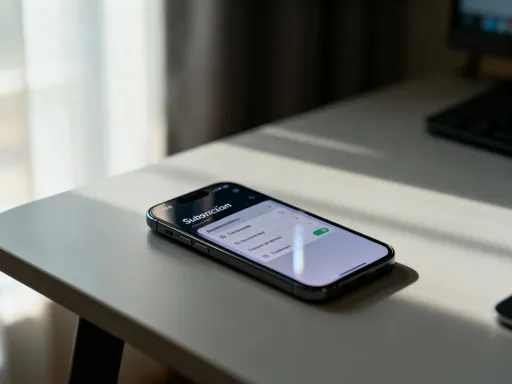
I’ll admit—I was skeptical. I’m not exactly a tech whiz. I still think “cloud” sounds like something fluffy in the sky, not a place where my schedule lives. But I was desperate. So one Sunday night, while the kids were watching a movie, my husband and I sat down with our phones and created a shared family calendar. We used a free app that comes with most smartphones—nothing special, nothing you need to pay for. We named it “The Smith Family Hub” (not our real name, but you get the idea).
Here’s how simple it was: we each picked a color—blue for me, green for my husband, pink for our daughter, yellow for our son. Anytime someone had an event—soccer practice, dentist appointment, school play—we added it to the calendar, picked the right color, set a reminder, and hit save. That’s it. No training. No complicated setup. And the best part? It automatically synced to everyone’s phone. No more shouting across the house, “Hey, when is Emma’s recital?” Now we just checked the calendar.
I remember the first time my daughter updated it herself. She came running into the kitchen and said, “Mom, I added my spelling bee next week! It’s in pink!” I nearly cried. Not because of the spelling bee—but because she felt responsible. She felt seen. That little moment told me we were onto something. This wasn’t just about logistics. It was about giving each person a voice in our family’s story.
How It Changed Our Mornings: From Rush to Routine
The first real test came on a Monday—traditionally our worst day. But this time, something felt different. I woke up, reached for my phone, and instead of a flood of panic, I saw the day laid out in calm colors. Blue: my work meeting at 9. Pink: Emma’s art club after school. Yellow: soccer practice at 4:30. Green: Dad picking up Liam. No surprises. No guesswork.
But the real magic happened when the kids started using it too. No more “What’s for lunch?” or “Who’s driving me?” They’d wake up, grab their tablets or our shared kitchen iPad, and check the day’s view. “I have a math test today,” Emma said one morning. “Can I have an extra granola bar?” That small moment—her planning ahead, asking for support—was everything. She wasn’t just reacting to the day; she was preparing for it.
We started building new routines around the calendar. Every night before bed, we’d do a quick “calendar check-in.” Ten minutes. That’s all it took. We’d sit together, look at the next day, and talk through anything unusual. “Dad has a late meeting,” I’d say. “So I’ll pick you up from piano.” Or, “Liam, you have a game—don’t forget your cleats by the door.” It became a ritual, not a chore. And the mental load? It lightened. I wasn’t the only one holding all the information anymore. The calendar held it with us.
One morning, I woke up 15 minutes earlier than usual—not because I had to, but because I could. The plan was clear. The day was mapped. I made tea, sat by the window, and watched the sun rise. No rushing. No shouting. Just peace. And when the kids came downstairs, the house felt different—slower, kinder, more connected. That’s when I realized: this wasn’t just about time. It was about presence.
More Than Just Schedules: Strengthening Family Connection
Here’s what I didn’t expect—the calendar didn’t just organize our time; it brought us closer. Seeing each other’s lives laid out in colors made us more aware, more empathetic. I noticed that my son had three tests in one week and said, “Wow, that’s a lot. Want me to make your favorite soup tonight?” He looked surprised, then grateful. “Thanks, Mom. Yeah, I’m kind of stressed.”
Before, I might have missed that. I would’ve been too busy reacting to the surface behavior—his grumpiness, his messy room, his forgotten homework. But now, I could see the bigger picture. His calendar showed me his world. And when I responded with care, he felt seen. That small exchange? It built trust.
There was another moment—my daughter had a big dance performance. I saw it on the calendar a week in advance, so I made sure to clear my evening, buy flowers, and even bake her favorite cupcakes. When I handed her the bouquet backstage, she whispered, “You remembered.” Not “You came.” “You remembered.” That word hit me deep. She wasn’t just happy I was there—she was touched that I had made space for her in my mind.
And it went both ways. One day, my husband saw on the calendar that I had a doctor’s appointment. He didn’t say anything. But when I came home, dinner was ready, the kids were clean, and he said, “You looked tired. I figured you could use a quiet night.” I cried. Not because I was overwhelmed—but because I felt cared for. The calendar didn’t replace love. It made it easier to show.
This tool didn’t just track soccer games and meetings. It became a way of saying, “I see you. I’m here. Your life matters to me.” And in a world where we’re all rushing, that kind of attention is everything.
Making It Work: Our Real-Life Tips for Sticking With It
Look, we’re not perfect. We’ve had our glitches. The biggest mistake? Forgetting to update the calendar when plans changed. One Friday, the school sent a last-minute email about an early dismissal. No one added it. I showed up at 3:00 PM like normal—only to find an empty classroom. My daughter was waiting with the after-school staff, looking embarrassed. I wanted to disappear. But instead of blaming anyone, we talked about it over pizza that night. “How do we fix this?” we asked as a family.
Here’s what worked for us: we picked one night a week—Sunday—as our “calendar night.” We gather in the living room, pull up the shared calendar, and go through the week together. The kids love it. We use emojis—🎉 for birthdays, ⚽ for sports, 🎵 for music events. It makes it fun, not formal. We also turned on school email alerts and linked them to a shared inbox so we don’t miss announcements.
Another tip: keep it simple. You don’t need to add every single detail. Just the big stuff—appointments, practices, school events, family dinners. And don’t stress if someone forgets. Gently remind them, “Hey, can you add your science fair project day?” Make it a habit, not a rule.
And here’s a game-changer: we set reminders. Not just one—but two. A “day before” reminder and a “one hour before” alert. That way, no one is caught off guard. My son used to hate this. “I don’t need a beep to tell me when soccer is!” he’d say. But now? He admits it helps. “Okay, fine,” he said last week. “The reminder saved me from forgetting my water bottle. Thanks, calendar.”
The key isn’t perfection. It’s consistency. Some weeks are smoother than others. But showing up, updating, checking in—that’s what builds trust in the system. And in each other.
Beyond the Morning: Ripple Effects Through the Day
What surprised me most was how fixing our mornings changed everything else. When the start of the day is calm, the rest of it follows. No more rushing in the evening to figure out dinner. No more late-night panic about tomorrow’s project. We had breathing room.
Our evenings became more relaxed. We actually had time to eat together, talk, play board games. The kids started going to bed earlier because they weren’t stressed from a chaotic day. And I noticed something in myself—I felt more patient, more present. I wasn’t mentally stuck in tomorrow’s to-do list. I could actually enjoy tonight’s bedtime story.
But it went deeper than that. The kids started developing better habits. Emma began packing her backpack the night before—without being asked. Liam started writing down his homework in a notebook because “it helps me remember, like the calendar.” Even our dog seemed calmer—probably because no one was yelling anymore.
For me, it sparked a shift in how I see my role as a mom. I wasn’t just a manager of schedules. I was a guide, helping my kids learn responsibility, time awareness, and empathy. The calendar became a teaching tool. We’d talk about planning ahead, about how everyone’s time matters, about how showing up for each other is a form of love.
And honestly? I felt more confident. I wasn’t drowning in mental clutter. I could focus at work, enjoy my hobbies, even take a walk without worrying I’d forgotten something important. That sense of control didn’t come from being perfect—it came from having a system that worked for us.
A Calmer Home, One Day at a Time
Today, when someone says, “Wait, whose turn is it to pack lunch?” I don’t panic. I smile. “Let’s check the calendar,” I say. And we do. Together. It’s not magic. It’s not flashy. But it’s working. Our home isn’t perfect—but it’s peaceful. We’re not always on time, but we’re more present. We’re not stress-free, but we’re more connected.
This shared calendar didn’t just fix our mornings. It changed how we live. It taught us that small tools, used with intention, can create big shifts. It reminded us that technology doesn’t have to steal our attention—it can help us give it where it matters most.
If you’re in the thick of morning chaos, I see you. I’ve been there. And I promise—you don’t need a new routine, a fancy app, or superhuman energy. You just need one small change. Try a shared calendar. Start tonight. Add one event. Invite your family. See what happens.
It won’t fix everything overnight. But over time, you’ll notice the little things: the deep breath before breakfast, the child who plans ahead, the partner who supports without being asked. You’ll feel more in control. More at peace. More like the family you’ve always wanted to be.
Because at the end of the day, it’s not about perfect schedules. It’s about being there—for the big moments and the small. It’s about showing up, together, one calm morning at a time.