Saved $1,247 in 18 months with cashback apps—here’s how they quietly changed my spending
What if the apps on your phone could pay you back just for shopping like normal? I didn’t believe it either—until I started using cashback apps for my weekly groceries, online orders, and family outings. Over 18 months, I saved more than $1,200 without changing my habits. It wasn’t about extreme couponing or hunting deals. It was about making smart tech work quietly in the background. Here’s how small, consistent choices added up to real savings—and how they can for you, too.
The Grocery Run That Changed Everything
I remember that Tuesday like it was yesterday. The kids were bickering in the back seat, my list was crumpled in my hand, and I was mentally calculating whether I could skip the name-brand cereal this week. I walked into the supermarket, grabbed what we needed, and stood in the self-checkout line, swiping items one by one. That’s when I saw it—a notification on my phone from an app I’d downloaded months ago and forgotten: Rakuten. It said I could earn 5% cashback at that very store. Just for shopping.
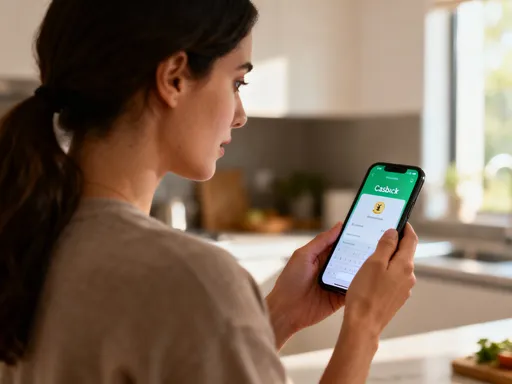
I almost ignored it. But something made me pause. I opened the app, linked it to my store loyalty card, and completed the purchase as usual. A few days later, I checked my Rakuten account—and there it was: $3.47 in earned cashback. It wasn’t life-changing money, but it felt like a win. Like the universe was whispering, “Hey, you’re doing okay.”
That tiny reward lit a spark. I started wondering: if I could get money back just for buying milk and bread, what else could I earn on? I began testing it on other routine purchases—school supplies, dish soap, even a last-minute birthday gift from Target. Each time, a little credit showed up. Not instantly, not dramatically, but steadily. And the best part? I didn’t have to change a single thing about how I shopped. I wasn’t clipping coupons or rearranging my schedule. I was just using a tool that turned my everyday spending into something that worked for me, not against me.
How Cashback Apps Actually Work (Without the Confusing Tech Talk)
If you’re like I was six months ago, the idea of “cashback apps” might sound like something only tech geeks or finance nerds understand. Maybe you’re thinking, “Do I have to scan every receipt? Track every dollar? Learn a whole new system?” I get it. The word “app” can feel overwhelming when you’re already juggling school pickups, laundry, and dinner plans. But here’s the truth: cashback apps are simpler than they sound—and they’re designed for people exactly like us.
Here’s how it works, in plain English: companies want your business. Stores, online retailers, even gas stations—they all pay a little extra to companies that send customers their way. That’s called an affiliate commission. Cashback apps act as the middleman. They partner with these stores, send you their way, and in return, get a cut. But instead of keeping it all, they give a big chunk of it back to you. It’s like being rewarded for walking into the right store at the right time—except you don’t have to do anything special.
Some apps track your purchases by linking your debit or credit card. Others ask you to upload a photo of your receipt. A few work through browser extensions when you shop online. But once it’s set up, it runs quietly in the background—like a silent helper. You shop where you already shop. You buy what you already need. The app just notices and says, “Hey, we saw that. Here’s a little thank-you.” No extra effort. No mental load. And no need to become a coupon queen or a deal-hunting detective.
The key is consistency, not perfection. You don’t have to earn 10% on every purchase. You just have to earn something on the things you’re buying anyway. Over time, those little returns add up—like spare change from a purse slowly filling a jar.
The First 3 Apps I Tried—and Why Only One Stuck
When I first got curious, I downloaded every cashback app I could find. I was excited, maybe even a little overeager. One app promised 10% back on coffee shops. Another said I could earn big on gas. A third had flashy banners shouting “$10 sign-up bonus!” I signed up for all three, thinking, “Why not? Free money, right?”
But within a few weeks, two of them were gone from my phone. One required me to take a photo of every receipt—every single one. I forgot twice, missed the window, and lost the cashback. Another only worked at a handful of stores I never went to. The third had confusing rules: “Activate the offer before shopping,” “Spend $50 to earn $5,” “Available only on Tuesdays between 2 and 4 p.m.” It felt like homework.
Then there was Rakuten. I’d almost skipped it because the name sounded corporate, maybe a little boring. But it worked differently. I linked my debit card once, and it automatically tracked my purchases at thousands of stores—Walmart, Target, Ulta, Amazon, you name it. No receipts. No activation. No stress. I shopped, and it just… worked.
That reliability made all the difference. I didn’t have to remember to use it. I didn’t have to jump through hoops. It wasn’t flashy, but it was faithful. And over time, that faithfulness paid off—literally. I stopped using the others. Not because they were scams, but because they asked for more than I could give. I didn’t have the time or energy to manage multiple apps with different rules. I needed something that fit into my life, not something that added to my to-do list. Rakuten did that. It wasn’t about big, one-time wins. It was about small, steady returns that required nothing from me but the habit of spending.
Turning Small Habits into Real Savings
Here’s what I learned: you don’t save money by chasing rewards. You save by being consistent. I stopped looking for the “perfect” deal or the highest cashback rate. Instead, I focused on the things I buy every week—groceries, household supplies, kids’ clothes, birthday gifts. These weren’t impulse buys. They were necessities. And because I was going to spend that money anyway, I decided to make it work harder.
I started routing all my regular purchases through Rakuten. My $50 grocery trip? That’s $2.50 back at 5%. My $120 order for a birthday present on Amazon? $6 back. A $30 refill on laundry detergent at Target? $1.50. These amounts seem tiny on their own, but after three months, I had $167. After six, I passed $300. That wasn’t just “extra” money—it was real savings. I used it to cover a family movie night, buy new kitchen knives, and even chip in on holiday gifts without touching our main budget.
But the real shift wasn’t financial. It was mental. For years, I saw spending as a loss. Every dollar that left my account felt like a step backward. But with cashback, I started seeing it differently. That $50 on groceries wasn’t just gone—it brought back $2.50. It wasn’t perfect, but it was progress. I began to think, “If I’m going to spend, why not get something back?” That small mindset change made me more aware, more intentional. I wasn’t reckless. I wasn’t buying more. I was just being smarter with what I was already doing.
And the best part? It didn’t require discipline. I didn’t have to budget down to the dollar or deny myself things we needed. I just had to remember to use the app—and even when I forgot, it still caught most of my purchases automatically. That’s the beauty of it: it rewards consistency, not perfection.
Teaching My Teen to Use Cashback—And What She Taught Me Back
One evening, I was showing my daughter how I’d saved $400 over the year with cashback. She looked at me like I’d just revealed a secret superpower. “Wait, people just give you money for shopping?” she said. I laughed and showed her the app. A few days later, she downloaded it herself.
She started using it for her part-time job earnings—buying jeans, phone cases, even her morning coffee. Within a month, she’d earned $18. Not a fortune, but to a 16-year-old, it felt like a win. What surprised me was how she used the app differently than I did. She found bonus categories I’d never noticed: “Spend $25 at Old Navy, get $10 back.” “Double cashback on Amazon this weekend.” She treated it like a game, hunting for challenges and limited-time offers.
I’d been passive. She was strategic. And honestly? I learned from her. I started checking the app more often, not just to track earnings, but to see what was available. We began comparing our monthly totals like trading cards. “I got $7 back on my sneakers!” “Nice! I earned $12 on a textbook.” It became a quiet ritual—our version of bonding over coffee or a movie.
But more than that, it opened up conversations about money—ones we’d never had before. She asked questions: “Do stores lose money when I get cashback?” “Is it free money?” We talked about how businesses earn from customer loyalty, and how these apps share a piece of that. She started thinking about spending differently—not as something to avoid, but as a chance to make smarter choices. It wasn’t a lecture. It was a shared experience. And in that moment, I realized we weren’t just saving money. We were building financial awareness—together.
When Rewards Feel Like Cheating (And Why They’re Not)
There were times I felt a little guilty. Like I was getting something for nothing. I’d see $50 in my cashback account and think, “Did I really earn this? I didn’t do anything special.” I’d worry I was somehow gaming the system, taking money that wasn’t mine.
But then I’d remind myself: I wasn’t breaking any rules. I wasn’t stealing. I wasn’t even paying less than anyone else. I was still spending the same amount. The store still made their profit. The only difference was that a third party—a cashback app—was sharing a piece of their affiliate commission with me. It wasn’t free money. It was fair money. Money that already existed in the system, just redirected to the person who earned it: me.
Think of it like this: when you shop at a store, you’re giving them your loyalty. You’re choosing them over others. In return, they want to keep you coming back. Cashback apps are just one way that loyalty gets rewarded. It’s not cheating. It’s finally getting recognition for the choices you were already making.
Once I reframed it that way, the guilt faded. I wasn’t tricking anyone. I wasn’t being sneaky. I was simply using a tool that made my spending more valuable. And honestly? I deserved it. I work hard. I budget carefully. I make thoughtful choices every day. If a little tech can help me keep a few extra dollars in my pocket, why should I feel bad about that?
Why I’ll Keep Using These Apps—Even When Life Gets Busy
Life doesn’t slow down. There are sick days, school projects, last-minute schedule changes. Some weeks, I barely have time to cook, let alone check an app. But that’s the beauty of cashback apps like Rakuten—they don’t demand attention. They don’t require perfect habits. They don’t care if I forget to check in for a month. They’re still there, quietly working in the background, earning on the purchases I make every day.
After 18 months, I’ve saved $1,247. That’s not a windfall. It’s not enough to quit my job or buy a new car. But it’s enough to matter. It covered a family outing, replaced worn-out kitchen tools, and helped us enjoy the holidays without stress. More than that, it gave me a sense of control. In a world where prices rise and time feels short, it’s comforting to know that some part of my spending is working for me.
These apps aren’t a get-rich-quick scheme. They won’t make you wealthy overnight. But they are a small, steady ally in the long game of financial calm. They meet you where you are—busy, tired, doing your best. They don’t judge. They don’t demand. They just say, “We see you. We’re here. Let us help.”
And so I’ll keep using them. Not because I’m chasing rewards, but because they’ve changed the way I see money. I’m more aware. More intentional. More at ease. I’m not just saving dollars—I’m building a mindset of quiet empowerment. And that, more than any single cashback payment, is the real win.