From Inbox Overload to Commute Clarity: The Email Habit That Transformed My Mornings
You know that heavy feeling when your phone buzzes with yet another email—before you’ve even had coffee? I used to dread my commute, staring at a bloated inbox, stressed and stuck. The moment I stepped onto the train or settled into the driver’s seat, my mind would already be miles ahead, tangled in messages about deadlines, meetings, and never-ending to-dos. I wasn’t arriving at work—I was already drowning in it. But everything changed when I shifted *when* and *how* I handled emails. Now, my morning ride feels lighter, my mind clearer. This isn’t about another productivity hack—it’s about reclaiming your time and peace, one smart habit at a time.
The Morning Mayhem: When Emails Take Over Your Commute
Let’s be honest—how many of us have turned our commute into an extension of the office without even realizing it? I certainly did. For years, I believed I was being productive by checking emails during those 30 or 45 minutes between home and work. I told myself I was ‘getting ahead.’ But the truth? I was starting my day in survival mode. Instead of easing into the morning, I was reacting—immediately stressed by a message from a colleague, anxious about a client’s request, or frustrated by a chain of confusing replies.
That constant mental load didn’t just make the ride unpleasant—it carried over into everything else. I arrived at my desk already exhausted, my focus scattered before I’d even opened my laptop. And the worst part? Most of those emails didn’t need an immediate response. But because I saw them first thing, they felt urgent. My brain didn’t get a chance to breathe. I was giving my energy to other people’s priorities before I’d even set my own.
It wasn’t just about time—it was about emotional space. That sense of being ‘on’ from the moment my feet left the house left me feeling like I never really had a morning of my own. And if you’re a mom, a partner, or someone juggling multiple roles, you know how rare those quiet moments are. I wasn’t just checking emails—I was giving away my calm before the day even began.
A Small Shift, A Big Change: Discovering the Power of Pre-Commute Email Prep
The change didn’t come from a fancy app or a complicated system. It came from one simple decision: I stopped waiting until the morning to deal with my inbox. Instead, I started spending just ten minutes the night before—after the kids were in bed or after dinner cleanup—reviewing and preparing my email for the next day. That’s it. Ten minutes. No magic. No extra tools. Just intention.
During that short window, I’d quickly scan new messages, flag the ones that truly needed attention, and mentally plan when I’d handle them. Some I’d reply to right then if it only took a minute. Others I’d label or star so they’d stand out the next morning. And a few? I’d schedule a reminder to come back to them later in the week. Suddenly, my inbox wasn’t a surprise box of stress—it was a curated list of manageable tasks.
The next morning, instead of diving in blindly, I already knew what mattered. I could choose to read, listen to a podcast, or just enjoy the quiet. That shift—from reactive to prepared—was like flipping a switch in my brain. I wasn’t being pulled in ten directions before 8 a.m. I was in control. And that sense of calm didn’t just last through the commute. It set the tone for my entire day.
What surprised me most was how much more focused I felt at work. Because I wasn’t playing catch-up, I could dive into important projects with clarity. That small habit didn’t just change my mornings—it changed how I showed up in my life.
Meet the Tools That Make It Effortless: Email Apps That Work *With* Your Life
Now, I know what you might be thinking—‘Ten minutes sounds great, but my inbox is a mess. Where do I even start?’ That’s where the right tools come in. And the good news? You probably already have access to them. The key isn’t downloading something new—it’s using what you have more intentionally.
Take Gmail’s Priority Inbox, for example. It’s not perfect, but it does a pretty good job of separating what’s likely important from what’s just noise. I turned it on and trained it over time by marking certain emails as important or unimportant. Now, when I open Gmail, the top section shows me what I really need to see—meeting invites, time-sensitive requests, messages from my boss or team. Everything else? It’s still there, but it’s not screaming for attention.
Outlook’s Focused Inbox works in a similar way. It splits your inbox into ‘Focused’ and ‘Other.’ At first, I worried it would hide something important. But after a few days of adjusting—moving a few emails back and forth—it got smarter. Now, my Focused tab is clean, with only the messages that matter. The rest? They’re safely stored in the Other tab, where I can check them when I have time—on a break, during lunch, or at the end of the day.
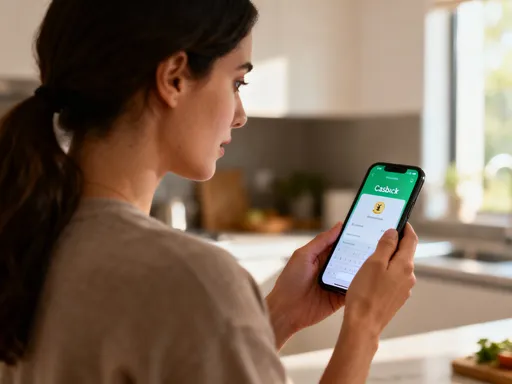
And if you’re looking for something a little more intuitive, apps like Spark can make email feel less like a chore. Spark uses smart sorting, lets you swipe to archive or snooze messages, and even lets you schedule emails to send later. I love that feature—sometimes I think of a reply late at night, but I don’t want the person to feel pressured to respond. So I write it and schedule it for 8 a.m. It’s like giving yourself a head start without disrupting anyone else’s peace.
The point isn’t to become an email expert. It’s about using these tools to support your life, not complicate it. Think of them as your digital assistants—quietly helping you stay on top of things so you don’t have to.
How to Start Tonight: Your First 10-Minute Setup
You don’t need to overhaul your entire system to see results. In fact, that’s how most of us fail—we aim too big and give up too fast. Instead, let’s start with one night. Just one. Pick a time—maybe after dinner, after the kids’ bedtime story, or while your favorite show is loading—and set a timer for ten minutes.
Open your email. Don’t try to clear everything—just focus on today. Scan the new messages. Ask yourself: Which ones actually need my attention tomorrow? Flag or star those. If a message takes less than two minutes to reply to, do it now. If it’s something you’ll need to think about, move it to a ‘Follow Up’ folder or use a ‘snooze’ feature to bring it back later in the week.
Here’s what this looked like for me last Tuesday: I had 27 unread messages. After ten minutes, I’d replied to three quick ones, starred four that needed action, archived two outdated threads, and scheduled a meeting invite for next Friday. That’s it. My inbox wasn’t perfect—but it was manageable. And the next morning, instead of feeling overwhelmed, I opened my email knowing exactly where to start.
Don’t worry about labels or complex folders unless they feel helpful. Some people love color-coding. Others prefer simple stars. The goal isn’t organization for its own sake—it’s peace of mind. If a system feels like work, it won’t last. Keep it simple. Keep it human.
And remember—this isn’t about doing it perfectly. It’s about doing it consistently. Some nights, you might forget. That’s okay. Just start again the next night. Progress, not perfection.
Making It Stick: Building a Habit That Lasts Beyond the Honeymoon Phase
We’ve all been there—excited to start a new habit, only to lose steam after a week. I was no different. At first, I was diligent about my nightly email check. Then life got busy. One night, I forgot. Then two. And suddenly, I was back to scrolling through a cluttered inbox on the train, feeling that familiar knot in my stomach.
That’s when I realized: motivation isn’t enough. You need a system that fits into your life, not one that fights against it. So I tried something simple—I linked my ten-minute email habit to something I was already doing every night: brushing my teeth. Right after I finished in the bathroom, I’d sit down with my phone or laptop for just ten minutes. No distractions. Just me and my inbox.
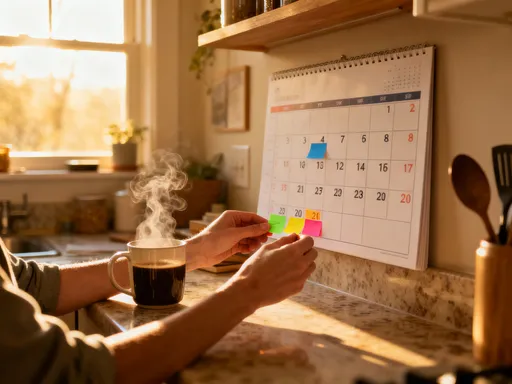
Sometimes, I’d set a gentle reminder on my phone—something that said ‘Email check-in’ with a soft chime. No pressure. Just a nudge. And if I was too tired? I’d give myself permission to skip it—without guilt. The key was to make it feel doable, not like another chore on the list.
Over time, it became automatic. Just like washing my face or setting out my clothes for the next day, it became part of my evening rhythm. And the more consistent I was, the more I noticed the benefits—not just in my mornings, but in my overall sense of control. I wasn’t just managing emails. I was managing my energy.
Here’s what I’ve learned: small habits don’t have to be perfect to be powerful. They just have to be repeated. And when they align with your values—like peace, presence, and purpose—they become easier to sustain.
The Ripple Effect: How One Change Improved My Focus, Mood, and Even Family Time
You might think this is just about email. But honestly? It’s about so much more. When I stopped starting my day in crisis mode, everything else shifted. I became more focused at work because I wasn’t mentally juggling a dozen unfinished conversations. I felt calmer because I wasn’t carrying that low hum of anxiety about ‘what I might have missed.’
But the biggest surprise was how it affected my home life. On days when I used to spend my commute stressed, I’d come home drained—shorter with the kids, less present with my partner. Now? I arrive home with more patience, more presence. I’ve even started using my commute to listen to audiobooks or podcasts—things that inspire me, not deplete me.
Last week, I read half of a novel on the train. No emails. No work thoughts. Just me, lost in a story. It felt like a gift. And that sense of reclaiming time—even small pockets of it—has been transformative. I’m not just surviving my days. I’m enjoying them.
My family has noticed, too. My daughter said, ‘Mom, you seem happier in the mornings now.’ And she’s right. Because I’m not rushing in with my mind already full. I’m arriving—mentally and emotionally—where I need to be.
This habit didn’t just clean up my inbox. It cleared my head. And when your head is clear, your heart has more room to breathe.
Your Turn: Design a Commute That Works for You—Not Against You
So here’s my invitation to you: what if your commute could feel like a gift instead of a grind? What if those 30 minutes could be yours—not just for work, but for calm, for focus, for you?
You don’t need to spend hours organizing your digital life. You don’t need to master every app or feature. You just need to start—tonight. Take ten minutes. Look at your inbox. Sort what matters. Let go of the rest. And tomorrow morning, give yourself permission to do something different. Read. Breathe. Listen. Be.
Technology doesn’t have to control us. When we use it with intention, it can actually free us. It can protect our time, our energy, and our peace. This small habit isn’t about doing more. It’s about feeling better. It’s about showing up as the calm, capable, present person you already are—without letting emails steal your spark.
You deserve mornings that feel light, not heavy. You deserve to start your day on your terms. And you don’t have to change everything to make that happen. Sometimes, the quietest changes are the ones that make the loudest difference. So go ahead—take back your commute. One email, one night, one breath at a time.