How Sharing Our Car’s Location Cut Group Trip Chaos by 90%
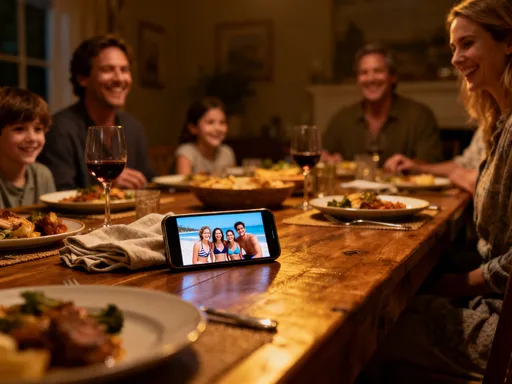
Ever show up late to a friend’s gathering because someone got lost? Or wasted time circling the block, texting “Where are you?” We’ve all been there. I used to dread group outings—more people meant more confusion, miscommunication, and stress. But everything changed when we started quietly sharing our vehicle locations. It wasn’t about tracking—it was about trust, timing, and showing up with ease. No more frantic calls. No more missed moments. Just smoother reunions, less anxiety, and more laughter from the very first minute.
The Messy Reality of Meeting Up with Friends
Remember that summer picnic last year when half the group ended up at the wrong park entrance? One friend parked near the playground, another waited by the lake, and I—well, I circled the perimeter for twenty minutes, phone buzzing with increasingly panicked messages. That day, what was supposed to be a relaxing afternoon under the trees turned into a comedy of errors. And honestly, it wasn’t the first time. Before we found a better way, meeting up with friends felt like herding cats—well-meaning, but chaotic.
Think about it: you coordinate a coffee date, everyone agrees on the time and place, and still—someone shows up 30 minutes late. Not because they don’t care, but because traffic was worse than expected, or they missed the turn, or their phone died. You wait, wondering if you should go in, order, or leave. The uncertainty builds. You start checking your watch, then your phone, then your watch again. That little knot of worry in your stomach? It’s not just about being late. It’s about feeling disconnected, like you’re not on the same page.
And it wasn’t just the logistics. Over time, these small missteps started to wear on our friendships. One of us would apologize constantly for being late, even when it wasn’t their fault. Another would joke about being “the worst at directions,” but you could tell they felt bad. The jokes covered real frustration. We loved spending time together, but the buildup to each meetup was stressful. We were so focused on solving the “where are you?” puzzle that we forgot to enjoy the “so glad you’re here” moment.
What surprised me most was how much emotional energy we were spending on something that should be simple. Getting together with people you care about shouldn’t feel like a military operation. Yet there we were—texting, calling, guessing, retracing. The irony? We all had smartphones in our pockets, packed with tools that could’ve helped. We just weren’t using them the right way. We were using old methods—static addresses, vague landmarks, hopeful estimates—when something smarter was already built into our devices.
A Small Tech Fix That Made a Big Difference
The change started with a simple suggestion from my friend Lisa. We were planning a weekend brunch, and she said, “Why don’t I just share my location with you while I’m driving over? That way, you’ll know when I’m close.” I hesitated at first—honestly, the idea of someone seeing where I was made me a little uneasy. But Lisa explained: it wasn’t about watching me. It was about syncing up, like handing someone your house key so they can let themselves in. She’d only share it temporarily, and I could stop it anytime.
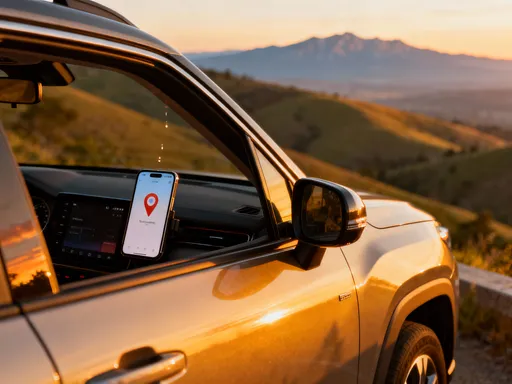
So I tried it. That morning, as I was finishing my makeup, I opened the app and saw Lisa’s little car icon moving steadily down the highway. I didn’t have to wonder if she was stuck in traffic or if she’d forgotten the address. I could see she was on track. When she turned onto my street, I was already by the door with my purse. She pulled up, waved, and we walked to the car together—no waiting, no stress, no last-minute scrambling.
That small moment changed everything. It wasn’t just about efficiency. It was about feeling connected before we even saw each other. There was a quiet comfort in knowing she was on her way, that we were in sync. The next time we met, another friend tried it. Then another. Within a month, it became our group’s unspoken rule: if you’re driving to meet us, share your location for the trip. And the difference? Night and day.
We stopped missing the start of movies. We stopped double-parking while waiting for someone. We stopped sending “Where are you?!” texts in all caps. Instead, we could relax. I could finish my cup of tea. My friend Maria could put on her favorite playlist without rushing. We were no longer hostages to uncertainty. And honestly? The best part was how natural it felt. This wasn’t some complicated app or new gadget. It was a feature we already had, just used in a smarter, more thoughtful way.
How Location Sharing Works—Without the Creepiness
I know what you might be thinking: “Isn’t that a little invasive? What if someone’s always watching?” That was my fear too. But here’s the thing—location sharing, when done right, isn’t about constant monitoring. It’s about temporary, intentional sharing. Think of it like lending someone your Wi-Fi password. You’re not giving them access to your whole life—you’re just letting them in for a specific reason, for a short time.
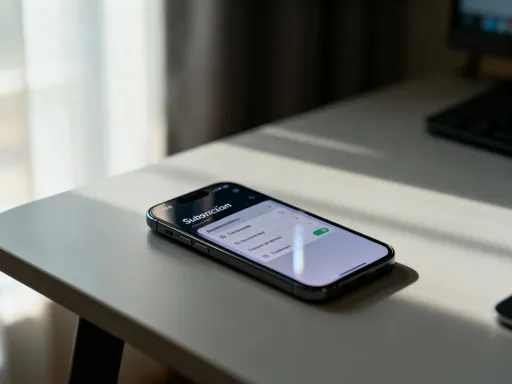
Most smartphones today come with built-in location sharing through trusted navigation apps—nothing you need to download or set up from scratch. You open the app, choose who you want to share with, and pick how long: five minutes, one hour, or until you turn it off. You stay in control the whole time. You can stop sharing with one tap. No one gets automatic access. No one sees your location when you’re not actively sharing. It’s not a window into your life—it’s more like a flashlight you turn on when you need it.
And you decide who sees it. You wouldn’t share your location with your coworker from accounting, right? But your closest friends? The ones you meet every weekend? That’s different. It’s mutual. We all share, so no one feels singled out. It’s not surveillance—it’s cooperation. Like saying, “I’m on my way, and I want you to know I’m coming.”
Privacy settings are easy to manage. On most phones, you can even set up a separate “sharing” contact list—just for trips and meetups. That way, your location isn’t visible to everyone in your phone. And the best part? It only works when you activate it. It’s not always on. It’s not tracking your grocery runs or school drop-offs. It’s for specific moments—like when you’re headed to a friend’s house or a group dinner. You’re not giving up privacy. You’re choosing connection.
From Practical Help to Emotional Ease
What I didn’t expect was how much lighter I’d feel. It wasn’t just about saving time—it was about saving emotional energy. Before, I’d be tense while waiting, my mind racing: “Are they lost? Did they forget? Should I call?” Now, I can see the little dot moving toward me, and something in me relaxes. I know they’re coming. I can trust the process.
One of my friends, Sarah, has always struggled with anxiety around being late. She’d leave early, drive slowly, and still apologize when she arrived—like she’d done something wrong. But since we started sharing locations, she’s more at ease. She doesn’t rush. She doesn’t over-explain. She just drives, knowing we can see she’s on her way. And when she arrives, she’s calmer, more present. She’s not apologizing—she’s smiling.
That shift matters. Because being together isn’t just about physical presence. It’s about mental and emotional presence too. When we’re not stressed about logistics, we show up as ourselves. We’re not distracted, frazzled, or defensive. We’re ready to laugh, to listen, to really connect. Location sharing didn’t just fix the “where” problem—it helped us solve the “how we feel” problem.
There’s also something deeply comforting about being expected. When you see your friend’s location approaching, it’s like a silent message: “I’m waiting for you. I’m ready. I’m excited to see you.” It turns arrival into a reunion, not a correction. And when you’re the one driving, knowing someone is tracking your progress makes you feel seen. Not watched—seen. Like you matter enough to be anticipated.
Turning a Tool into a Habit—And Why It Stuck
At first, we treated it like an experiment. “Let’s try this one time and see how it goes.” But after a few smooth meetups, it just made sense to keep doing it. No one had to ask. No one forgot. It became part of our routine—like checking the weather before a trip or bringing a dish to potlucks.
We never had a formal rule, but an understanding formed naturally: share your location when you’re on your way, stop when you arrive. If someone forgot, someone else would gently say, “Hey, can you share your location? I want to know when to head out.” And it never felt demanding—more like a helpful nudge, the same way we’d remind someone to bring napkins or charge their phone.
What made it stick wasn’t just convenience. It was the positive feedback loop. Every time we used it, the meetup went better. Less stress. More joy. More time together. That success built trust in the system—and in each other. We weren’t just relying on technology. We were relying on a shared commitment to make things easier for everyone.
And because we all did it, it never felt one-sided. No one was being monitored while others stayed hidden. We were all visible, all accountable, all part of the solution. That balance made it feel fair, not forced. It became less about the tech and more about the care behind it—“I’m sharing this because I don’t want you to wait. Because I want us to start on time. Because I value your time as much as my own.”
Beyond the Car: How This Changed Our Friendships
The ripple effects surprised me. Since we started sharing locations, we meet up more often. Why? Because it’s easier. There’s less mental resistance. Before, planning a get-together felt like a chore—coordinating times, reminding people, managing expectations. Now, it’s simple. We pick a place, agree on a time, and trust the process. The logistics don’t scare us anymore.
We’ve also become more spontaneous. Instead of waiting weeks to plan something perfect, we’ll text: “Wine tonight? I’m free after 7.” And if others are too, we meet—no long planning, no stress. The low-pressure coordination makes it feel doable, even on busy weeks. We’re not waiting for the “perfect” moment. We’re taking the “now” moment.
And honestly, I think it’s deepened our friendships. When you consistently show up—on time, prepared, present—it sends a quiet message: “You matter to me.” It’s not about perfection. It’s about reliability. It’s about saying, “I thought about you. I made space for you. I’m here.” And when everyone in the group does that, it builds a culture of care.
We’re not just friends who hang out. We’re friends who show up for each other. And that trust has spilled into other areas—supporting each other through tough times, celebrating small wins, being there without being asked. The little act of sharing a location became a symbol of something bigger: we’re in this together.
Making It Work for Any Group—Simple Steps to Start
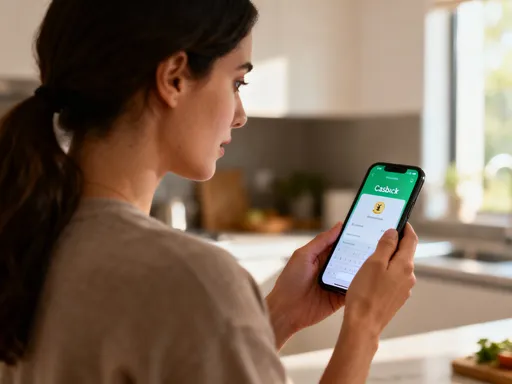
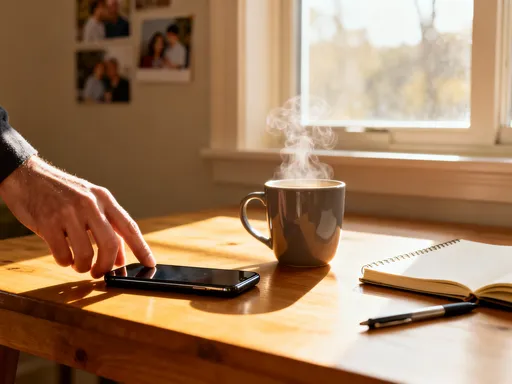
If you’re curious about trying this, start small. Pick your next gathering—a coffee date, a weekend hike, a dinner at someone’s home. When you’re on your way, open your phone’s map or navigation app and look for the location sharing option. Choose the person or group you’re meeting, set the timer, and hit share. That’s it.
You don’t need to make a big announcement. Just say, “I’m sharing my location with you—I’ll be there in about 20 minutes.” Most people will appreciate it. If someone seems unsure, respect that. You can say, “No pressure—just thought it might help us sync up.” The goal isn’t to force anyone. It’s to offer a tool that makes life easier.
Set boundaries that feel right. Only share when you’re actively traveling to meet someone. Turn it off when you arrive. Don’t feel obligated to share all the time. This isn’t about constant connection. It’s about intentional connection—using tech to create more peace, not more pressure.
And if you’re on the receiving end, use the information kindly. Don’t ping someone every five minutes. Don’t assume they’re late if the dot isn’t moving—maybe traffic stopped, or their phone lost signal. Trust the process. Let it reduce your anxiety, not fuel it. The real win isn’t just punctuality. It’s the calm, the connection, the joy of meeting without the mess.
So next time you’re planning to get together, consider giving location sharing a try. It’s not magic. It’s not flashy. But it might just be the small change that makes your friendships feel lighter, warmer, and more connected. Because showing up shouldn’t be hard. And with a little help from tech, it doesn’t have to be. You’ll spend less time wondering, more time laughing—and isn’t that what friendship is all about?