Tired of Clashing Schedules? This Smart Space Syncs Your Family’s Rhythm
Living out of sync with the people you love is more exhausting than we admit. You’re home, but not together. One person’s winding down while another’s just getting started. Sound familiar? I felt the same—until our living room quietly started helping us reconnect. It wasn’t magic, just smart design that respects each person’s rhythm while bringing us back into harmony. Let me show you how a simple shift in space can transform the way your household breathes, moves, and thrives—naturally.
The Invisible Tug-of-War in Everyday Life
Have you ever sat on the couch with your family and still felt completely alone? Not because of anger or silence, but because everyone is in a different world at the same time? One person is ready to wind down with a book at 8 p.m., while another is just walking in from work, hungry and wired. Your teenager is blasting music in the corner, and your partner is trying to catch up on emails. You’re all in the same room, yet no one is really with each other. That disconnection doesn’t come from a fight—it comes from timing. And over time, it wears you down.
I remember one night, I had been looking forward to a quiet evening. My youngest was finally asleep, and I had a cup of tea and a novel ready. But just as I settled in, the living room exploded with sound—my husband had turned on a loud sports recap, and my daughter started asking him questions. I didn’t want to be the ‘grumpy mom’—but I felt invisible. It wasn’t about the TV. It was about feeling like my needs didn’t matter in our shared space. That moment made me realize: our home wasn’t helping us live better. It was making us compete for peace.
These little mismatches happen every day. The morning rush where someone needs absolute quiet to focus, but another is practicing piano. The weekend afternoon when one person wants to nap, and another wants to clean with upbeat music. We brush them off as normal, but they chip away at our patience and joy. The truth is, families don’t fall apart because of big drama. They drift apart because of tiny, repeated moments of being out of sync. And the saddest part? We think we have to live with it.
But what if your home could help? Not by changing your schedules—because let’s be real, no one’s giving up their early morning run or late-night reading habit—but by adapting to them? What if the space itself could make room for everyone’s rhythm, without anyone having to compromise their peace?
When Your Home Works Against You
Think about how most living rooms are set up. One light switch. One TV remote. One volume level. It’s designed like everyone comes home, eats dinner, watches the same show, and goes to bed at the same time. But that’s not how real families live. We have shift workers, teens with late homework, parents who need downtime, kids who never seem to tire. When the environment doesn’t account for that, we end up in constant negotiation—or worse, silent resentment.
Take lighting. A bright overhead light at 9 p.m. might be fine for someone cleaning up, but it’s jarring for someone trying to relax. Yet most of us just live with it. We don’t think to change it because changing it feels like a production. ‘Can you turn off that light? No, wait—turn it back on, I need to find something.’ It becomes a back-and-forth that no one enjoys. And over time, we stop asking. We just suffer in silence or retreat to our rooms, further pulling the family apart.
Sounds familiar? That’s because our homes are built for uniformity, not harmony. They assume we all want the same thing at the same time. But life isn’t like that. And when the space fights your natural rhythm, you start to feel like you’re always in the way—or that you’re the one causing the problem. That’s not your fault. It’s the design.
I used to think the issue was us—we just needed to communicate better, be more patient, adjust more. But the real problem wasn’t our relationships. It was our environment. Our living room wasn’t a place of connection. It was a battleground of competing needs. And no amount of deep breathing or family meetings could fix that if the room itself wasn’t set up to support us.
That’s when I started looking for a different way. Not a total renovation. Not a futuristic smart home with flashing screens and robotic arms. Just something simple—something that could let each of us feel at home, even when we were using the space differently. And that’s when I discovered smart leisure spaces.
Smart Leisure Spaces: More Than Just Gadgets
A smart leisure space isn’t about showing off the latest tech. It’s about creating a room that listens. That adjusts. That makes space for everyone, quietly and without drama. It’s not a gadget showcase—it’s a peacekeeper. And the best part? It doesn’t require a degree in engineering to use.
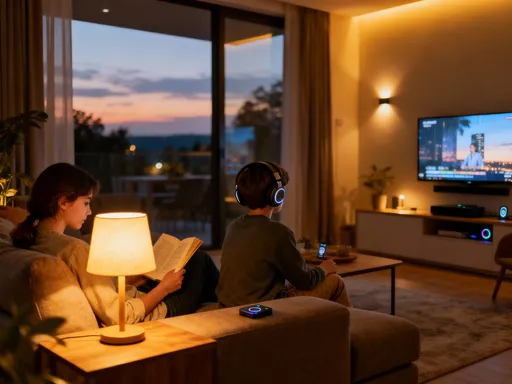
Imagine this: two people in the same living room, doing completely different things. One is reading on the sofa with soft, warm light from a floor lamp. The other is watching a movie on the TV, with the volume just loud enough to enjoy, but not disturb. The room is cool and calm, but not cold. The TV turns off automatically at 10:30, and the lights dim slowly, like a gentle nudge toward bedtime. No arguments. No ‘Can you turn that down?’ No one has to ask. The space just knows.
That’s the power of a smart leisure space. It uses simple technologies—like motion sensors, smart bulbs, sound zones, and climate control—to create personalized comfort zones within a shared area. You’re not splitting the room in half with a curtain. You’re using light, sound, and temperature to make invisible boundaries that respect everyone’s needs.
For example, smart lighting can adjust based on time of day and who’s in the room. If you’re the early riser, your side of the room can brighten gently at 6:30 a.m. while the rest stays dark for your partner. At night, the system can detect when someone is reading and keep a warm, focused glow on the armchair, while the rest of the room dims. You don’t have to touch a switch. It happens on its own.
Sound works the same way. With directional speakers or sound zoning, the TV audio can be focused on one area, so someone nearby can read or meditate without headphones. Or if music is playing, it can be set to a volume that fills the room but doesn’t spill into the hallway or upstairs. It’s not about silence—it’s about control. And that control gives everyone a sense of peace.
These aren’t luxury features for rich tech lovers. They’re tools for real families who want to live with less friction. And the most beautiful part? When the space supports everyone, people start to relax. They stop guarding their time. They stop feeling like they have to fight for their needs. And that’s when real connection begins to return.
How Technology Syncs Without Surveillance
Now, I know what you might be thinking: ‘Wait—does this mean I’m being watched? Are there cameras everywhere? Is my home listening to me?’ I had the same concerns. The word ‘smart’ can sound a little creepy, like your house is judging you. But the truth is, most modern smart home systems aren’t about watching people. They’re about noticing patterns—without knowing who’s who.
Here’s how it works: instead of cameras or microphones that record you, many systems use passive sensors. These can detect motion, temperature, light levels, and even sound volume—but they don’t record faces or conversations. They don’t know it’s you sitting on the couch. They just know someone is there, and they’ve learned what usually happens at this time.
For example, if every night at 8 p.m., someone sits in the armchair and turns on a reading lamp, the system learns that pattern. After a few days, it can turn the light on automatically when it senses someone in that spot. It’s not spying. It’s like a helpful habit. And all of this can happen on a local network—no data sent to the cloud, no third-party access. Your privacy stays in your home.
Another common fear is complexity. ‘I don’t want to spend my life setting up rules or troubleshooting apps.’ I get it. That’s why the best systems are designed to be simple. You don’t need to program anything. You just live your life, and the system learns. Or, if you want more control, you can set basic routines with voice commands like, ‘Good morning,’ or ‘Movie time,’ and the lights, sound, and temperature adjust together.
And here’s the thing: you’re always in charge. You can turn it off anytime. You can override any setting. It’s not about letting technology run your life. It’s about letting it handle the small stuff—so you can focus on the big stuff, like actually enjoying your family.
When I first set up our system, I was nervous. But after a week, it felt normal. Now, I don’t even think about it. The lights adjust. The temperature shifts. The TV knows when to shut off. And no one has to ask. It’s like having a thoughtful roommate who just gets it.
Real Life, Real Rhythm: A Day in Our Smart Living Room
Let me walk you through a regular day in our home—nothing special, just real life. It starts at 6:15 a.m., when I get up for my quiet time. The bedroom side of the house is still dark and quiet. But as I walk into the living room, a soft, warm light turns on near the window seat—just bright enough to see my coffee and journal. It doesn’t wake anyone. It’s not a floodlight. It’s like sunrise in a cup.
By 7:30, the kids are up. The main lights come on gradually, mimicking natural daylight. The thermostat adjusts to a slightly warmer setting because little bodies feel the cold more. My son likes music in the morning, so a gentle playlist starts—just enough to energize, not enough to annoy. And when he’s done eating, the lights brighten a little more, like a quiet signal that it’s time to get ready.
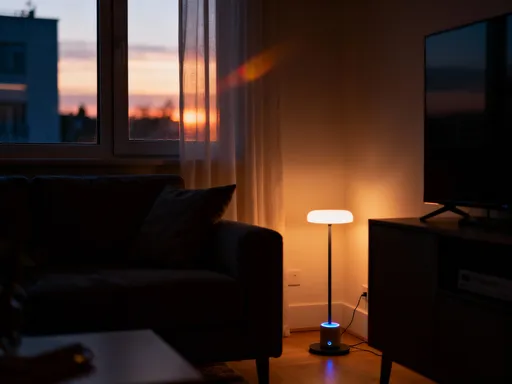
After they leave, the space resets. The lights dim. The temperature cools a bit. It becomes a calm zone for me to work or read. If I sit in the reading chair, the floor lamp turns on automatically. If I move to the couch, it adjusts. No switches. No apps. Just peace.
Evenings are the trickiest. That’s when everyone comes home with different needs. My husband walks in at 6:15, ready to unwind. The system detects his presence and turns on his favorite relaxing playlist at a low volume. The lighting shifts to a warm, amber tone—calming for tired eyes. Meanwhile, my daughter is at the table doing homework. She needs focus, so her side of the room stays brighter and quieter.
At 7:30, we eat dinner together. The table lights brighten. The background music fades. This is our shared time—no screens, just conversation. Afterward, my husband wants to watch the news. My daughter wants to read. So the TV turns on with closed captions, and the sound is directed toward the sofa. The reading chair gets a soft, focused light. The rest of the room stays dim. They’re in the same space, doing different things—and no one feels interrupted.
By 10 p.m., the space begins to wind down. The lights slowly dim. The temperature drops a degree—our signal that it’s time to slow down. The TV turns off automatically. If someone’s still on the couch, a gentle notification appears: ‘Ready for bed?’ But it’s not pushy. It’s a nudge, like a friend saying, ‘Hey, you’ve had a long day.’
And when the last person leaves, the room goes into night mode: lights off, thermostat set to sleep temperature, air purifier on. It’s not perfect. Sometimes someone overrides it. Sometimes the system gets it wrong. But most of the time? It just works. And that small consistency makes a big difference.
Setting It Up Without Stress
Now, you might be thinking, ‘This sounds great, but I’m not tech-savvy. I can barely program the microwave.’ I hear you. That was me too. But setting up a smart leisure space doesn’t have to be hard. In fact, the easiest way to start is with just two or three simple devices.
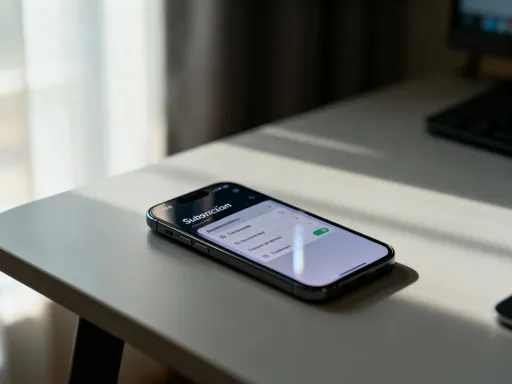
Begin with smart lighting. A few smart bulbs in your main lamps can make a huge difference. You can control them with an app or voice command. Set a routine: ‘Relax’ mode at 7 p.m. turns the lights warm and dim. ‘Focus’ mode at 4 p.m. makes them brighter. You don’t need to change every bulb—just the ones that matter most.
Next, consider a smart speaker with voice control. Not just for music, but as a hub for your routines. Say, ‘Movie night,’ and the lights dim, the TV turns on, and the blinds close. Say, ‘Good morning,’ and the lights rise, the temperature adjusts, and your favorite playlist starts. It’s not magic—it’s just smart coordination.
Then, add motion or presence sensors. These can detect when someone enters the room and trigger actions. For example, if you always read in the same chair at night, a sensor can turn on the lamp as you sit down. No app. No button. Just habit.
And here’s the key: involve your family in the setup. Have a simple conversation. ‘I need quiet after 8 p.m. for reading.’ ‘I like soft light when I’m winding down.’ Turn those needs into settings, not demands. Instead of saying, ‘Can you please stop playing music so loud?’ you can say, ‘Let’s set the evening volume to level 3 after 8.’ It removes the personal tension. It’s not about you nagging—it’s about the room supporting everyone.
Most systems today are designed for everyday people. No coding. No wiring. Just plug, connect, and go. And if you make a mistake? You can always change it. This isn’t about perfection. It’s about progress. Even one small change—like a lamp that turns on automatically—can make you feel seen and supported in your own home.
The Ripple Effect: Calmer Minds, Closer Bonds
Here’s what surprised me the most: the change didn’t just happen in the living room. It spread. When the space started supporting our rhythms, we all became a little more patient. A little more present. A little more willing to listen.
My daughter stopped retreating to her room after school. She started doing her homework in the living room, where she could feel part of the family. My husband stopped turning on loud shows the second he walked in. He began using the ‘wind down’ setting, which helped him transition more gently. And me? I stopped feeling guilty for wanting quiet. I realized it wasn’t selfish—it was necessary.
The little moments started coming back. A shared laugh over a silly commercial. A spontaneous hug on the couch. A quiet ‘I’m glad we’re home’ as we all settled in at the end of the day. These weren’t planned. They just happened—because the space made room for them.
That’s the real gift of a smart leisure space. It’s not about perfect schedules or silent homes. It’s about creating a home that respects each person’s rhythm—so you can be together, even when you’re doing different things. It’s about reducing the friction that wears us down and making space for the joy that lifts us up.
Because at the end of the day, we don’t want more gadgets. We want more connection. We want to feel seen. We want to live with less stress and more ease. And sometimes, the quietest technology—the one that works without being noticed—can make the loudest difference in our lives.
So if you’re tired of clashing schedules, of feeling out of sync, of missing each other in the same house—know this: it’s not you. It’s not your family. It’s the space. And with a few thoughtful changes, you can create a home that doesn’t just shelter you—but truly understands you.