From Overwhelmed to Effortless: How Hidden Smart Desk Features Gave Me Back My Time
Ever feel like your workday runs you instead of the other way around? I used to drown in distractions, jumping between tasks, losing hours to tiny interruptions. Then I discovered the quiet power of my smart desk—features I didn’t even know existed. No flashy gadgets, just simple, thoughtful tech working behind the scenes. It didn’t just organize my workspace; it reshaped how I manage time, energy, and focus. And the best part? You probably already have something like it.
The Chaos of the Modern Home Office
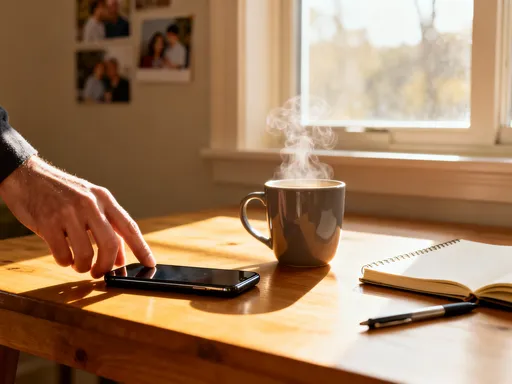
I remember one Tuesday morning that felt like it set the tone for my entire week. I sat down at my desk, coffee in hand, ready to tackle a long to-do list. But within minutes, I was already off track—my laptop battery was dying, my monitor wasn’t at the right height, and my phone was buzzing with notifications I couldn’t ignore. I spent the first 20 minutes just getting ready to work. That frustration wasn’t new. It had become my normal. My workspace looked clean enough—no stacks of paper, no tangled cords in plain sight—but underneath, everything felt messy. I wasn’t lazy, and I wasn’t disorganized by nature. I just hadn’t realized how much my environment was working against me.
Most of us think about a desk as just a place to put our laptop. But if you’re spending hours there every day, it’s more than furniture—it’s part of your daily rhythm. And when that rhythm is disrupted by constant micro-interruptions, it adds up. Think about how often you’ve had to stand up to adjust your screen, search for a charger, or remember to take a break. These aren’t huge moments, but they break your focus. They steal your momentum. And over time, they steal your time. I started keeping a little log, jotting down every time I had to stop working just to fix something in my setup. After one week, I counted over 30 interruptions. That’s more than an hour a day spent just trying to stay functional.
What I realized was that my desk wasn’t helping me. It was passive. It didn’t adapt to my needs. It didn’t know if I was in deep work mode or just checking emails. It didn’t care if I’d been sitting for two hours straight. It was just there. And that lack of support made everything feel heavier. I was carrying the mental load of managing my workspace on top of my actual work. No wonder I felt drained by 3 p.m. The problem wasn’t my discipline. It was my design.
Discovering What My Desk Could Actually Do
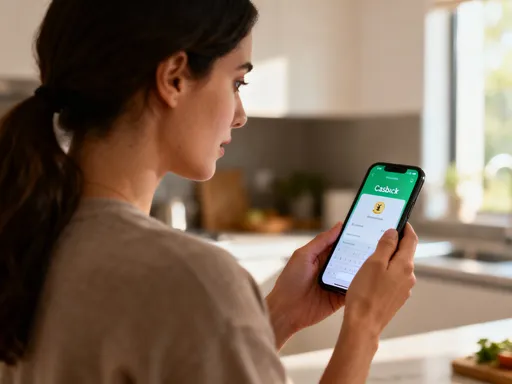
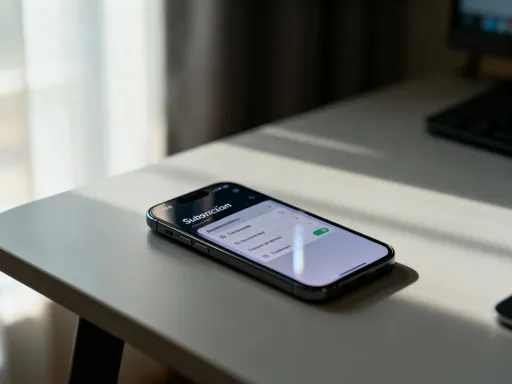
The turning point came on a quiet Sunday evening. I was updating a few smart home devices through an app I hadn’t opened in months—mostly because I assumed everything was already set. But as I scrolled, I saw a tab labeled “Workstation Insights.” I clicked it out of curiosity. What I found surprised me. My desk had been quietly collecting data for weeks: how long I sat, when I stood, how often I used my monitor arms, even the times I unplugged devices. It wasn’t just tracking—it was learning. And it had suggestions.
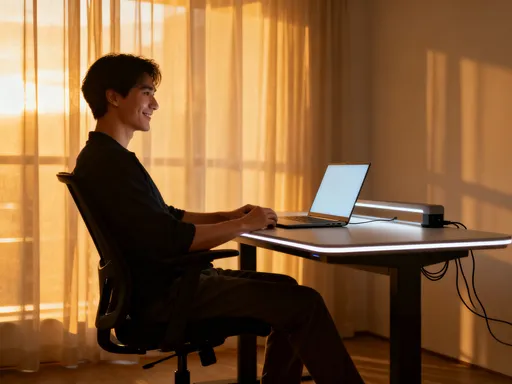
One recommendation caught my eye: “Enable adaptive lighting to reduce eye strain.” I didn’t even know my desk had lighting that could change throughout the day. Turns out, the built-in LED strip under the surface adjusted color temperature based on the time. In the morning, it would be cooler and brighter, helping me feel alert. In the evening, it warmed up, so I wouldn’t feel wired when I needed to wind down. I turned it on. The next morning, I noticed something subtle but powerful—my eyes didn’t feel as tired. I wasn’t squinting at my screen. The light just felt… right.
Then I explored more. There was an auto-wake feature that powered up my monitor and keyboard when I sat down. No more fumbling for power buttons. There was even a posture alert that gently pulsed the edge lighting if I slouched too long. These weren’t futuristic features. They were simple, human-centered tools designed to make my day smoother. And for the first time, my desk didn’t feel like an object. It felt like a partner. It wasn’t demanding anything from me. It was offering support. I realized I’d been using maybe 10% of what my desk could actually do. The rest was hidden in plain sight—waiting for me to notice.
The Hidden Power of Context-Aware Automation
Once I saw what was possible, I started experimenting. I wanted my desk to do more than react—it needed to anticipate. So I set up a few simple automations. Now, when I open my laptop lid, my desk dims the overhead lights and shifts my monitor to a warmer, focus-friendly tint. It’s like the room knows I’m about to work and gently settles into work mode. I don’t have to touch a single setting. It just happens.
Another game-changer? Syncing my desk with my calendar. If I have a video call coming up in five minutes, my desk automatically activates “Do Not Disturb” on my secondary screen. No more accidental notifications popping up during a client meeting. It even adjusts the microphone sensitivity so background noise from typing doesn’t interfere. These might sound like small things, but they remove mental clutter. I’m not thinking about logistics. I’m just showing up and doing my work.
One of my favorite triggers is for deep work sessions. I set a timer for 90 minutes, and during that time, my desk disables non-essential notifications, slightly raises the desk height to standing mode every 30 minutes, and keeps the lighting steady and cool. It creates a bubble of focus. When the timer ends, the edge lights pulse softly, and the desk lowers back down. It’s not a jarring alarm. It’s a gentle nudge. I’ve started looking forward to those pulses—they feel like a quiet check-in from a friend who knows I need a breath.
This isn’t about being controlled by technology. It’s the opposite. It’s about technology getting out of the way so I can be more present. The system learns from my habits. If I usually take a break around 11 a.m., it starts preparing the space for that—dimming the lights slightly, pausing non-urgent alerts. It’s not rigid. It’s responsive. And that’s what makes it feel so natural.
Time Saved in the Small Moments That Matter
After setting up these features, I decided to track my time for two weeks. I wasn’t trying to work more—I just wanted to see where the day was really going. I used a simple timer to log every time I had to stop working to adjust something: lighting, posture, device charging, notifications, breaks. The results stunned me. On average, I was reclaiming 87 minutes a day. That’s nearly an hour and a half—not from working faster, but from working smoother.
Think about what you could do with an extra 90 minutes every day. I started using that time to read a few pages of a book, stretch, or just sit with my tea and breathe. No agenda. No pressure. Those moments weren’t lost—they were returned to me. And the quality of my work improved too. Because I wasn’t constantly restarting, I stayed in flow longer. I finished tasks faster, not because I rushed, but because I wasn’t being pulled out of focus every 15 minutes.
One of the most meaningful changes was how I felt physically. I used to get stiff shoulders and a sore neck by midday. Now, my desk reminds me to stand or stretch with a soft glow at the edge—no beeping, no flashing. It’s subtle, but effective. I’ve started moving more naturally throughout the day. And because the lighting adapts, my eyes don’t burn by 4 p.m. I’m not just more productive—I’m more comfortable. That might sound small, but when you’re working from home, comfort is everything. It’s the difference between surviving the day and actually enjoying it.
How My Family Noticed the Difference
The changes didn’t just affect me—they rippled through my home. One night, my partner looked up from the couch and said, “You seem calmer after work now.” I didn’t think much of it at first, but then I realized it was true. I wasn’t bringing the stress of the day into the evening. I wasn’t muttering about emails or rushing to finish one last thing. I was actually stopping. And because I’d been more focused during the day, I had less unfinished work hanging over me.
We started having real dinners again—no laptops on the kitchen table, no half-hearted conversations while I checked messages. I was present. And that made a difference. My kids noticed too. “You’re not always at your desk anymore,” my daughter said one afternoon. “You actually play with us.” That hit me. I hadn’t realized how much my old setup had made me feel chained to my chair. The constant need to fix, adjust, and manage my workspace had made me unavailable—even when I was home.
Now, my workday ends cleaner. I close my laptop, the desk powers down the lights, and I walk away. There’s a ritual to it. And because I’m not mentally scattered, I can transition into family time more easily. Our home feels more balanced. My workspace, once a source of tension, has become part of the peace. That’s the real win—not just more time, but better presence. Technology didn’t isolate me. It helped me reconnect.
Setting It Up Without the Tech Headache
I’ll be honest—I used to think smart desks were for tech geeks or people with big budgets. But what I’ve learned is that most of us already have access to these tools. You don’t need the newest model. Even a basic motorized standing desk with a simple app can do more than you think. The key is not buying more, but using what you have more intentionally.
Start small. Open the app for your desk or workstation and look for features you’ve ignored. Maybe there’s a sunrise/sunset lighting mode. Turn it on. See how it feels. Link your desk to your calendar—if you have meetings, let it prepare your space ahead of time. Enable break reminders. Most of these settings take less than 15 minutes to set up. You don’t have to be a programmer. You just have to be curious.
Another easy win? Cable management with smart charging. If your desk has built-in USB ports, assign them to specific devices. My tablet always charges on the left port, my phone on the right. No more hunting for cables. Some desks even track charging levels and notify you when a device is fully charged. That little detail saved me from overcharging my devices—and from that nagging worry that something wasn’t ready to go.
And don’t worry about getting it perfect. The system learns over time. If you skip a standing reminder one day, it adjusts. If you work later than usual, it notices. This isn’t about rigid rules. It’s about creating a space that grows with you. You’re not setting up technology—you’re teaching it how you live. And once it understands, it starts helping in ways you didn’t expect.
Reclaiming Time to Be More Fully You
At the end of the day, this isn’t about efficiency for the sake of doing more. It’s about creating space—mental, emotional, and physical—so you can be more fully yourself. I used to think productivity meant pushing harder. Now I know it’s about removing friction so you can move with ease. The right technology doesn’t demand your attention. It gives it back.
Those extra 90 minutes I gained? I use them to read, to cook, to sit quietly with my thoughts. I’ve started journaling again. I take walks without my phone. I’m not trying to fill every second—I’m learning to savor them. And that has changed everything. I’m not just getting more done. I’m feeling more like me.
What’s powerful about smart desks isn’t the tech itself. It’s what the tech makes possible. It’s the moment you realize you’re not fighting your workspace anymore. It’s the peace of mind that comes from knowing your environment supports you. It’s the joy of finishing your work and actually being able to let go.
Maybe you already have a desk that can do some of this. Maybe you’ve just never explored it. I encourage you to take 15 minutes this week to open the app, click around, and see what’s there. You might be surprised by what you find. Because sometimes, the most transformative tools aren’t the ones we buy. They’re the ones we already own—waiting quietly, ready to help us breathe a little easier, work a little smoother, and live a little fuller.