How I Turned My Fashion Obsession Into a Smarter Investment Portfolio
What if your weekend shopping spree could do more than just upgrade your wardrobe? I used to see fashion as pure expense—until I realized it could be part of a smarter financial strategy. By rethinking how I spend on style, I started building value instead of just bills. This isn’t about getting rich quick; it’s about blending passion with practicality. Here’s how I balanced desire and discipline to make my fashion consumption work for me—without ignoring risks or reality. The journey began not with spreadsheets, but with a simple question: what if some of what I love to buy could also love me back financially?
The Mindset Shift: From Spending to Strategic Ownership
Fashion, for most people, is a one-way transaction: money out, item in, value lost the moment it leaves the store. That was my reality for years. I’d walk out of boutiques feeling exhilarated, only to see that same excitement fade when I checked my bank account. But then I started to wonder—what if not all fashion follows that rule? What if certain pieces don’t depreciate like fast fashion, but instead hold or even increase in value over time? That question sparked a fundamental shift in how I viewed my purchases.
I began to separate my wardrobe into two categories: consumable fashion and strategic ownership. The first includes seasonal trends, trendy accessories, or anything I know I’ll wear a few times and forget. These are expenses—necessary joys, perhaps, but not investments. The second category is different. It includes items like a perfectly tailored wool coat, a limited-edition sneaker collaboration, or a timeless handbag from a heritage brand. These are not just accessories; they are potential long-term holdings. The shift wasn’t about eliminating emotional spending—it was about introducing intentionality.
This new mindset didn’t require me to stop enjoying fashion. Instead, it asked me to slow down and ask better questions before buying. Who made this? How is it constructed? Is the brand known for consistency in quality and demand? Has this style appeared on resale markets at or above retail? I started reading about brand histories, understanding production cycles, and following resale data. I learned that certain designers release pieces in limited runs, making them inherently more valuable. Others have cult followings that sustain demand regardless of trends. This knowledge didn’t turn me into a fashion historian, but it did turn me into a more informed buyer.
The emotional reward of shopping didn’t disappear—instead, it deepened. There’s a quiet satisfaction in wearing something beautiful that also holds its worth. It’s not the same as watching a stock price rise, but it’s real. When I wear a coat I bought five years ago that still looks new and could sell for nearly what I paid, I feel a sense of accomplishment. I didn’t just buy a garment—I made a decision that continues to pay off. That’s the essence of strategic ownership: treating fashion not as a cost center, but as a space where personal taste and financial prudence can coexist.
Defining Value: What Makes a Fashion Item Investable?
Not every designer label or high price tag guarantees long-term value. I learned this the hard way after buying a so-called luxury blouse that lost half its resale value within a year. The truth is, real investment potential in fashion comes down to three core factors: scarcity, durability, and cultural relevance. Without these, even the most expensive item can become a financial dead end.
Scarcity is perhaps the most powerful driver of value. Items produced in limited quantities—whether through exclusive collaborations, seasonal drops, or discontinued lines—naturally create demand. A mass-produced scarf with a designer logo might cost hundreds, but if millions were made, it won’t appreciate. On the other hand, a vintage piece from a sought-after era, like a 1990s Chanel jacket or a rare YSL bag, often commands premium prices because it simply can’t be remade. I now pay close attention to production details. If a brand advertises limited availability or numbered editions, that’s a strong signal of potential staying power.
Durability is equally important. No matter how rare something is, if it falls apart after two wears, it’s not an investment. I prioritize materials like full-grain leather, hand-stitched seams, and high-density fabrics that age well. These materials not only last longer but often improve with use, developing a patina that collectors appreciate. I’ve seen leather bags that looked better after ten years than they did brand new. That kind of longevity is financial protection. It means the item remains desirable, which supports resale value.
Cultural relevance ties everything together. Fashion is deeply tied to identity, status, and social moments. A piece that becomes iconic—worn by celebrities, featured in major campaigns, or associated with a defining era—gains lasting appeal. I track which brands consistently appear in resale market reports, which styles reappear in vintage collections, and which designers maintain strong secondary market performance. Over time, I’ve built a mental checklist: Is it rare? Is it well-made? Is it culturally significant? If two or three of those boxes are checked, I consider it a candidate for my wearable assets list. This isn’t about chasing hype—it’s about recognizing what stands the test of time.
Balancing Passion and Prudence in Your Portfolio
Let’s be honest—no one buys fashion purely for financial gain. I still fall in love with pieces that don’t meet my investment criteria. A bold floral dress, a sequined top, a pair of bright red boots—they speak to my mood, my mood, my moment. And that’s okay. The key isn’t to eliminate emotional purchases, but to manage them wisely. I treat my fashion spending like any investment portfolio: with a mix of growth and stability.
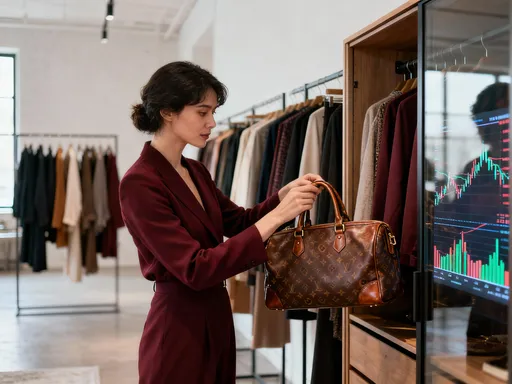
I allocate a portion of my fashion budget—about 20%—to what I call “passion buys.” These are items I purchase purely because I love them, with no expectation of resale value. They’re the speculative stocks of my wardrobe: exciting, unpredictable, and often short-lived. The rest of my budget goes toward pieces with dual purpose—style and staying power. These are my blue-chip holdings: classic coats, quality handbags, versatile footwear. They may not turn heads immediately, but they deliver long-term value.
This balance keeps my closet both functional and fulfilling. I can express myself without derailing my financial discipline. I also set personal rules to prevent impulse decisions. For any item above a certain price point—say, $300—I impose a 48-hour waiting period. This simple rule has saved me from countless regrets. It gives me time to research the item, check resale trends, and consider whether it fits my existing collection. I also inspect condition carefully, especially when buying secondhand. A single stain or broken zipper can slash resale value by 30% or more.
These practices don’t kill the joy of shopping—they enhance it. There’s a deeper satisfaction in knowing I’ve made thoughtful choices. I’m not just consuming; I’m curating. And when I do splurge on something purely for fun, I do so guilt-free, because I know it’s within my emotional spending limit. This structured approach turns fashion from a source of financial stress into a space of mindful enjoyment.
Resale and Rotation: Turning Wardrobe Updates into Returns
One of the most transformative changes I made was embracing resale. For years, I held onto clothes “just in case” I’d wear them again. My closet overflowed with items I hadn’t touched in years. Then I started selling what I no longer wore—and everything changed. Resale didn’t just free up space; it generated cash flow and reduced my net spending.
I now treat my wardrobe like a dynamic portfolio. When I add a new piece, I often sell an older one, especially if it’s still in demand. This keeps my collection fresh and financially efficient. I use trusted resale platforms that specialize in authenticated luxury goods. These platforms offer transparency, secure payments, and access to a global buyer pool. I time my listings strategically—listing winter coats in the fall, swimwear in the spring—to maximize visibility and price.
Maintenance is critical. I store clothes properly, use garment bags for delicate items, and clean pieces before listing. A well-maintained item can sell for 70% to 90% of its original value, while a damaged one might fetch half that. I’ve learned that small efforts—like replacing missing buttons or conditioning leather—can significantly boost returns. This isn’t about making a profit on every sale; it’s about minimizing loss and creating a sustainable cycle.
Over time, this practice has reshaped my relationship with fashion. I no longer see purchases as permanent commitments. Instead, I view them as part of a longer journey. I can enjoy a piece for a season, then pass it on to someone else who will love it—while recouping a meaningful portion of my cost. This rotation model has reduced my effective spending by nearly 40% over the past five years. More importantly, it’s taught me to value quality over quantity, and intention over impulse.
Risk Awareness: When Fashion Investments Don’t Pay Off
Not every fashion investment works out. I’ve had losses—some small, some significant. One of my biggest mistakes was buying into a hyped streetwear brand that surged in popularity, only to fade within two years. The resale market collapsed, and I sold at a 60% loss. It was a painful lesson, but a necessary one. Fashion, unlike traditional assets, is deeply influenced by culture, trends, and perception—factors that are inherently unpredictable.
I’ve also learned that physical condition is everything. A single water stain on a suede jacket or a torn lining in a designer coat can destroy value overnight. I once stored a vintage bag in a damp closet, not realizing the humidity was damaging the leather. By the time I noticed, the material had degraded, and the resale price plummeted. These experiences taught me that fashion assets require active management—insurance, proper storage, and regular maintenance.
Now, I only allocate money to fashion investments that I can afford to lose. This isn’t my retirement fund; it’s a complementary part of my financial life. I diversify across categories—handbags, outerwear, footwear, accessories—and across brands to spread risk. I accept that some pieces will underperform. The goal isn’t perfection; it’s smart risk management. I also stay informed, tracking market trends and adjusting my strategy as needed. This awareness doesn’t make me risk-averse—it makes me risk-aware.
Integrating Fashion Assets into Broader Financial Planning
I don’t manage my wardrobe like my stock portfolio, but I do track it. I keep a simple spreadsheet of major fashion purchases: item name, brand, purchase price, date, condition, and estimated current resale value. This log helps me assess performance over time and identify patterns. I can see which brands consistently hold value, which styles I tend to underuse, and how my resale efforts are paying off.
This tracking isn’t obsessive—it’s practical. It helps me make better decisions and stay accountable. I also consider how these assets fit into my broader financial goals. They won’t fund my retirement, but they can provide liquidity when needed. A quick sale of a gently used coat or handbag can cover an unexpected expense or free up cash for a vacation. In that sense, my wardrobe becomes a form of accessible, low-pressure savings.
Some financial advisors still overlook fashion as a legitimate asset class. To them, it’s consumption, not investment. But I see it differently. When managed with intention, fashion can be a tool for lifestyle optimization. It’s not about replacing traditional investing—it’s about making everyday choices work harder. By treating select purchases as assets, I’ve reduced waste, increased value retention, and gained a greater sense of control over my spending.
The Bigger Picture: Rethinking Value in Modern Finance
Today’s wealth isn’t measured only in bank balances and stock holdings. It’s also reflected in what we own, use, and enjoy—when those things are managed with care. Fashion, often dismissed as frivolous, can become a powerful expression of financial maturity when approached with discipline. My journey hasn’t turned me into a millionaire, but it has made me a more thoughtful consumer and a smarter steward of my resources.
This approach isn’t about chasing quick profits or treating every purchase as a trade. It’s about aligning passion with purpose. It’s about recognizing that value isn’t just monetary—it’s emotional, cultural, and personal. When I wear a coat I bought years ago that still fits, still looks good, and could still sell for most of what I paid, I feel a quiet pride. I didn’t just follow a trend—I made a decision that lasted.
By blending desire with discipline, I’ve transformed my relationship with fashion. It’s no longer a source of guilt or regret, but a space of intention and reward. This mindset can apply beyond clothing—furniture, jewelry, even hobbies can be approached with the same balance of passion and prudence. The lesson is simple: what we spend money on matters. When we invest in quality, rarity, and longevity, we don’t just buy things—we build value. And in a world of constant consumption, that’s a form of financial wisdom worth wearing.